Importance of Family Involvement in Spinal Cord Rehabilitation
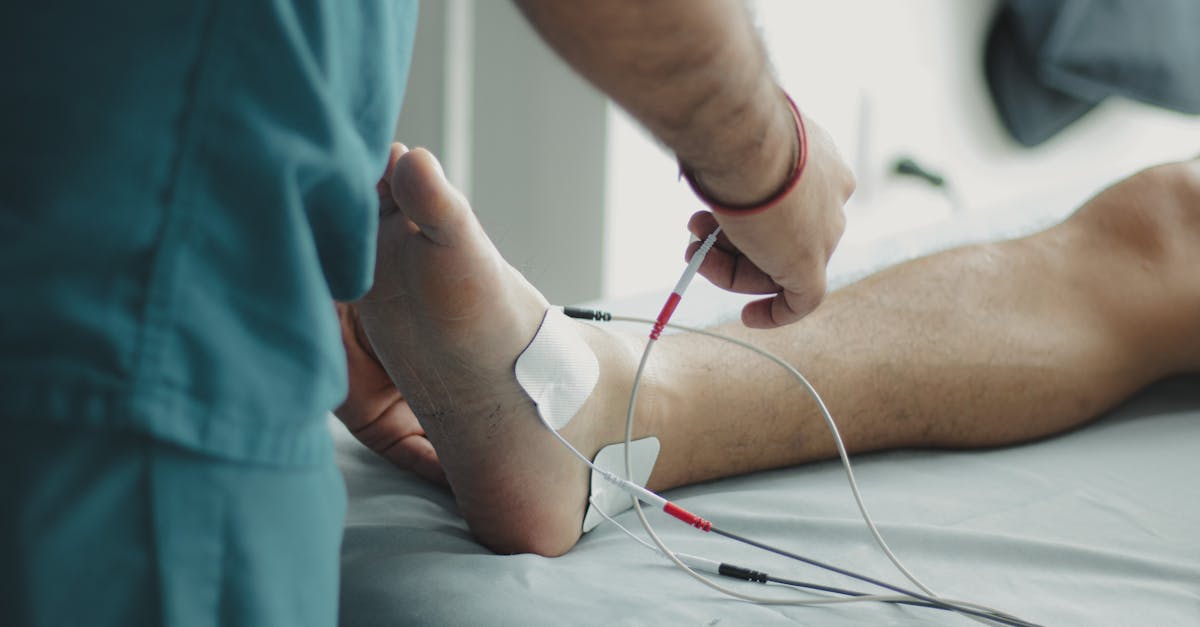
Collaborative Care Approaches
Integrating family members into spinal cord rehabilitation can enhance treatment efficacy significantly. Healthcare professionals often develop multidisciplinary teams that include not just physical therapists and psychologists, but also family members. This approach fosters open communication and ensures that families understand the rehabilitation process, which can help them provide essential emotional support and encouragement throughout recovery.
Active participation of family members in therapy sessions enables them to learn adaptive techniques that promote independence in daily activities. When families are involved, they can relay important insights about the patient's behaviour and preferences, which can guide tailored interventions. This collaborative environment not only strengthens the patient’s support system but also fosters a sense of shared responsibility for recovery, ultimately enhancing the overall healing experience.
Involving Family in Treatment Plans
The engagement of family members in the development of treatment plans for spinal cord rehabilitation significantly enhances the rehabilitation process. Family involvement fosters a holistic approach that recognises the emotional and physical needs of the patient. Input from relatives can provide valuable insights into the patient's history, preferences, and support needs, making the treatment more personalised. Incorporating family members within the therapeutic team allows for better communication and continuity of care, ensuring that everyone is on the same page regarding goals and expectations.
Additionally, involving families in treatment not only strengthens the support system around the patient but also educates them about the challenges ahead. This education is vital, as it equips family members with knowledge and strategies to assist their loved one during recovery. This advocacy role may empower families to help patients adhere to their treatment regimens and adopt new lifestyle changes more effectively. Ultimately, collaboration between healthcare providers and family members can create a more compassionate and effective rehabilitation experience.
Impact on Recovery Outcomes
Family involvement in spinal cord rehabilitation significantly influences recovery outcomes. When family members participate actively in the rehabilitation process, they provide essential emotional support and practical assistance. This involvement not only enhances the patient's motivation but also fosters a positive environment conducive to healing. Individuals who engage their families in treatment often report feeling more understood and less isolated throughout their recovery journey.
Studies have shown that patients with strong family support experience quicker improvements in physical and psychological well-being. The emotional resilience gained from this support can lead to better adherence to rehabilitation protocols and exercises. Family members can help facilitate communication between the patient and healthcare providers, ensuring that treatment goals align with the patient’s needs. This synergy between care teams and families plays a critical role in optimising rehabilitation outcomes.
Evidence of Improved Results
Research consistently demonstrates that family involvement can lead to significant improvements in recovery outcomes for individuals undergoing spinal cord rehabilitation. Patients who engage with family members during their treatment often show enhanced motivation and emotional support. This involvement creates a more holistic healing environment, where the psychological and social aspects of recovery are acknowledged alongside the physical rehabilitation.
Data indicates that when families participate in therapy sessions and decision-making processes, patients tend to achieve higher levels of independence and satisfaction with their recovery experience. Studies have found that rehabilitation programmes that incorporate family members not only improve emotional well-being but also facilitate better adherence to therapy regimens. The active participation of family can contribute to a smoother transition back to everyday life, with many individuals reporting a stronger sense of community and support following rehabilitation.
Family Dynamics and Adjustment
The adjustment to a spinal cord injury can significantly alter family dynamics. Roles within the household may shift dramatically, with family members taking on new responsibilities. Often, caregivers emerge who may not have previously held such positions, creating a need for clear communication and support. This transitional phase may lead to stress and tension if not navigated carefully. Families may find it challenging to address these new dynamics while providing emotional support to the individual undergoing rehabilitation.
Effective communication becomes crucial during this period of adjustment. Open discussions about feelings, expectations, and needs can help ease the process for every family member. Understanding and empathy play vital roles in fostering a supportive environment. Families benefit from acknowledging the emotional ups and downs that accompany recovery, accepting that each member may cope differently. By working together and reinforcing bonds, families can create a more cohesive unit as they all adapt to the new reality brought about by the injury.
Navigating Changes in Roles
The process of rehabilitation can significantly alter family dynamics, particularly concerning the roles of each member. Caregivers often take on additional responsibilities, which may result in shifts in the family's overall structure. This redistribution of duties can lead to increased stress or anxiety among family members who may feel unprepared for their new roles. Open communication becomes essential during this transition, allowing family members to express their feelings and concerns, which can help to alleviate some of the pressure associated with these changes.
As the patient adapts to their new situation, family members must also redefine their roles to foster a supportive environment. The person who sustained the injury may experience a change in independence, often relying more on family for daily tasks and emotional support. This can lead to feelings of frustration or helplessness for the affected individual. It is crucial for all family members to reassess their contributions, ensuring that while they offer assistance, they also promote the independence of their loved one, striking a balance that is beneficial for everyone involved.
FAQS
Why is family involvement important in spinal cord rehabilitation?
Family involvement is crucial in spinal cord rehabilitation as it provides emotional support, enhances motivation, and facilitates communication between the patient and healthcare providers, ultimately leading to better recovery outcomes.
How can families actively participate in the treatment plans for spinal cord rehabilitation?
Families can actively participate by attending therapy sessions, helping to set realistic goals, providing encouragement, and collaborating with healthcare providers to ensure that the rehabilitation plan meets the patient's needs.
What evidence exists to support the positive impact of family involvement on recovery outcomes?
Research has demonstrated that patients who have strong family support during their rehabilitation process experience improved physical and emotional outcomes, including faster recovery times and higher levels of satisfaction with their treatment.
How can family dynamics change during the spinal cord rehabilitation process?
Family dynamics may shift as roles and responsibilities change, with family members taking on caregiving roles or adjusting to new ways of interacting with the patient. Open communication and support are essential to navigate these changes effectively.
What strategies can families use to adapt to changes in roles during rehabilitation?
Families can use strategies such as setting clear expectations, involving all members in decision-making, seeking professional counselling if needed, and maintaining open lines of communication to adapt to new roles during rehabilitation.
Related Links
Promoting Mental Well-being in Spinal Cord Injury PatientsLong-term Outcomes of Spinal Cord Injury Rehabilitation
Innovative Therapies in Spinal Cord Injury Recovery
Community Resources for Spinal Cord Injury Support
Assessment Techniques for Spinal Cord Injury Rehabilitation