Innovations in Pain Management: Physiotherapy Perspectives
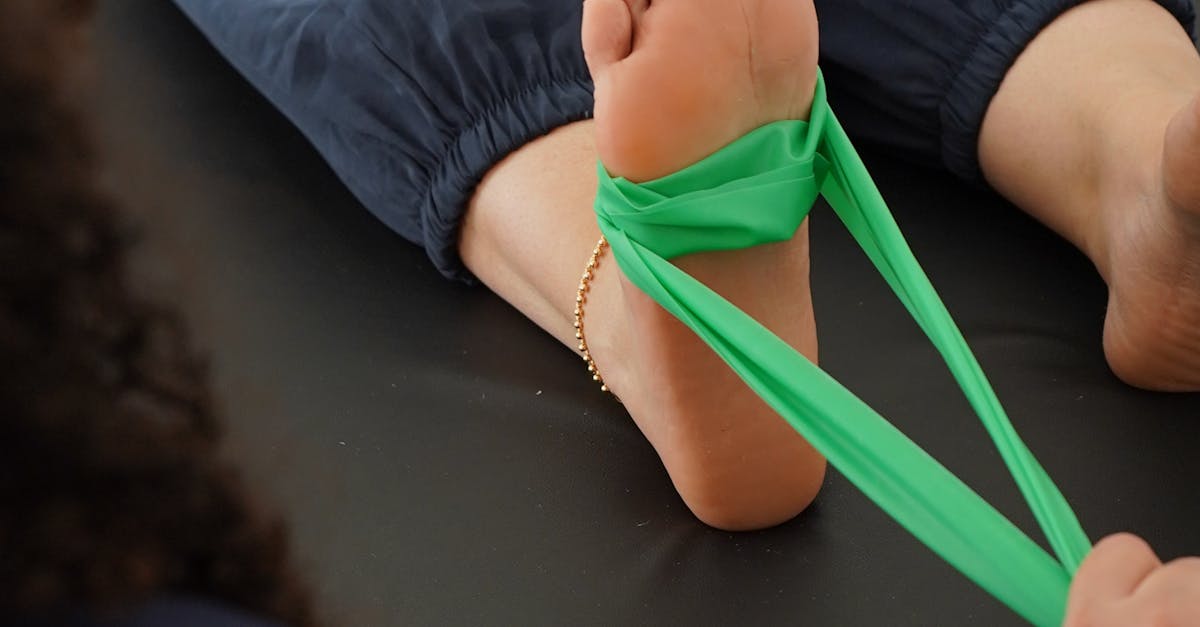
Mind-Body Approaches in Physiotherapy
The integration of mind-body techniques within physiotherapy has gained recognition as a vital component in managing pain. Practices such as mindfulness, meditation, and relaxation techniques not only foster mental well-being but also enhance physical rehabilitation outcomes. These methods encourage patients to focus on their body sensations and emotions, helping them develop a deeper awareness of their pain. This awareness can profoundly influence a person's perception of pain, as understanding the connection between mental state and physical symptoms may lead to decreased discomfort and improved coping strategies.
Research indicates that incorporating psychological elements within physiotherapy can yield positive results in pain management. By adopting a holistic approach, physiotherapists can facilitate a supportive environment where patients feel empowered to participate in their recovery. This involves educating patients about the role of stress, anxiety, and depression in exacerbating pain, enabling them to adopt practical techniques to manage these emotional stressors. Ultimately, the fusion of physical therapies with mind-body strategies has the potential to transform the patient's experience of pain and their overall recovery trajectory.
The Influence of Mental Health on Pain Perception
Pain is not solely a physical experience; it is deeply intertwined with emotional and psychological factors. Research has shown that individuals with conditions such as anxiety and depression often report higher levels of pain. This correlation may arise from heightened sensitivity to pain stimuli in those experiencing mental health issues. Stress and negative emotions can amplify the perception of pain, making it feel more intense. Additionally, mental health can influence a person's coping strategies, potentially leading to a more pessimistic outlook on their pain and recovery.
Physiotherapy practice must consider these psychological dimensions when creating treatment plans. Addressing mental health can enhance the efficacy of physical therapies. Incorporating techniques such as cognitive behavioural therapy or mindfulness can provide relief and improve overall outcomes. Understanding that pain perception is shaped by emotional well-being allows practitioners to adopt a more holistic approach. This perspective encourages integrating psychological support with physical treatment to better manage pain and promote healing.
Multidisciplinary Approaches to Pain Management
Pain management often requires the combined expertise of various health professionals to deliver comprehensive care. Physiotherapists play a crucial role in this collaborative environment, working alongside doctors, psychologists, occupational therapists, and other specialists. This multidisciplinary approach enhances the understanding of the patient's needs, as each professional contributes their unique skills and insights to develop a holistic treatment plan. Such collaboration allows for tailored interventions that address not only the physical aspects of pain but also emotional and psychological factors.
By integrating different therapeutic modalities and perspectives, multidisciplinary teams can provide more effective and well-rounded care. For instance, patients with chronic pain may benefit from coordinated strategies that include physical rehabilitation, mental health support, and medication management. This synergy among health professionals aims to improve patient outcomes, fostering better overall quality of life. Emphasising communication and shared goals, these teams ensure that all aspects of a patient's condition are addressed, ultimately leading to more successful pain management strategies.
Collaborations Between Physiotherapists and Other Health Professionals
The effectiveness of pain management often stems from a holistic approach involving various health professionals. Physiotherapists routinely collaborate with general practitioners, occupational therapists and psychologists to create comprehensive treatment plans tailored to individual patient needs. Such interdisciplinary partnerships allow for a more rounded understanding of the complexities of pain, integrating physical rehabilitation with mental health support. Regular communication is crucial in these settings, ensuring that each professional remains informed about the patient’s progress and changing needs.
In addition to improving patient outcomes, these collaborations help to share knowledge and expertise across disciplines. Workshops and joint training sessions provide opportunities for physiotherapists to learn about new psychological approaches, while other professionals gain insights into physical rehabilitation techniques. This cross-pollination of ideas enhances the overall quality of care, fostering an environment where patients benefit from a more varied arsenal of pain management strategies. Ultimately, a collaborative framework not only reinforces individual skill sets but also strengthens the healthcare network as a whole.
Innovative Modalities in Treatment
Recent advancements in technology have led to the integration of various innovative modalities in pain management practices. Among these, ultrasound therapy has gained traction for its ability to promote tissue healing and reduce inflammation. This non-invasive technique employs sound waves to penetrate deep into tissues, aiding in pain relief and accelerating the recovery process. Physiotherapists increasingly utilise this tool to enhance their treatment protocols, especially for musculoskeletal injuries.
Electrical stimulation is another vital modality gaining popularity in physiotherapy. By delivering controlled electrical impulses to affected muscles or nerves, this method can effectively alleviate pain and improve functional mobility. Various forms, including transcutaneous electrical nerve stimulation (TENS) and neuromuscular electrical stimulation (NMES), allow practitioners to customise treatments based on individual patient needs and pain relief goals. The growing use of these innovative approaches highlights the evolving landscape of physiotherapy as it continues to adapt to the complexities of pain management.
Utilising Ultrasound and Electrical Stimulation
Ultrasound therapy is a non-invasive modality commonly used in physiotherapy to facilitate healing and reduce pain. The process involves the application of sound waves, which penetrate tissues and promote increased blood flow, leading to accelerated tissue repair. Clinicians often incorporate ultrasound to target specific areas of discomfort or injury, capitalising on its ability to enhance cellular activity and decrease inflammation. This technique has gained traction owing to its versatility and the ease with which it can be integrated into treatment plans.
Electrical stimulation, on the other hand, employs electrical currents to stimulate nerves and muscles for therapeutic benefits. This technique helps in pain relief by disrupting pain signals sent to the brain and aiding muscle contraction or relaxation. It is particularly effective for patients recovering from surgery or those with chronic pain conditions. Physiotherapists frequently customise electrical stimulation protocols to meet individual needs, employing different frequency settings and waveforms to optimise patient outcomes and enhance functional mobility.
FAQS
What are mind-body approaches in physiotherapy?
Mind-body approaches in physiotherapy focus on the connection between mental and physical health, employing techniques such as mindfulness, relaxation, and cognitive behavioural strategies to help manage pain and improve overall well-being.
How does mental health influence pain perception?
Mental health can significantly affect how individuals perceive and experience pain. Factors such as anxiety, depression, and stress can heighten pain sensitivity and alter pain responses, making effective mental health support vital in pain management.
What are multidisciplinary approaches to pain management?
Multidisciplinary approaches to pain management involve collaboration among various healthcare professionals, such as physiotherapists, psychologists, and doctors, to create a comprehensive treatment plan that addresses the physical, emotional, and psychological aspects of pain.
How do physiotherapists collaborate with other health professionals?
Physiotherapists collaborate with other health professionals through regular communication, joint assessments, and shared treatment plans, ensuring a holistic approach to patient care that incorporates diverse expertise and strategies for effective pain management.
What innovative modalities are being used in physiotherapy for pain management?
Innovative modalities in physiotherapy include techniques such as ultrasound therapy and electrical stimulation, which can help reduce pain, promote healing, and improve function by targeting specific areas of the body and enhancing tissue repair processes.
Related Links
Evidence-Based Practices for Treating Musculoskeletal PainThe Role of Physiotherapy in Chronic Pain Management
Myofascial Release Techniques for Pain Reduction
The Impact of Psychological Factors on Pain Perception
Patient Education Strategies in Managing Musculoskeletal Pain