Tailoring Exercise Programs for Individuals Recovering from Traumatic Brain Injury
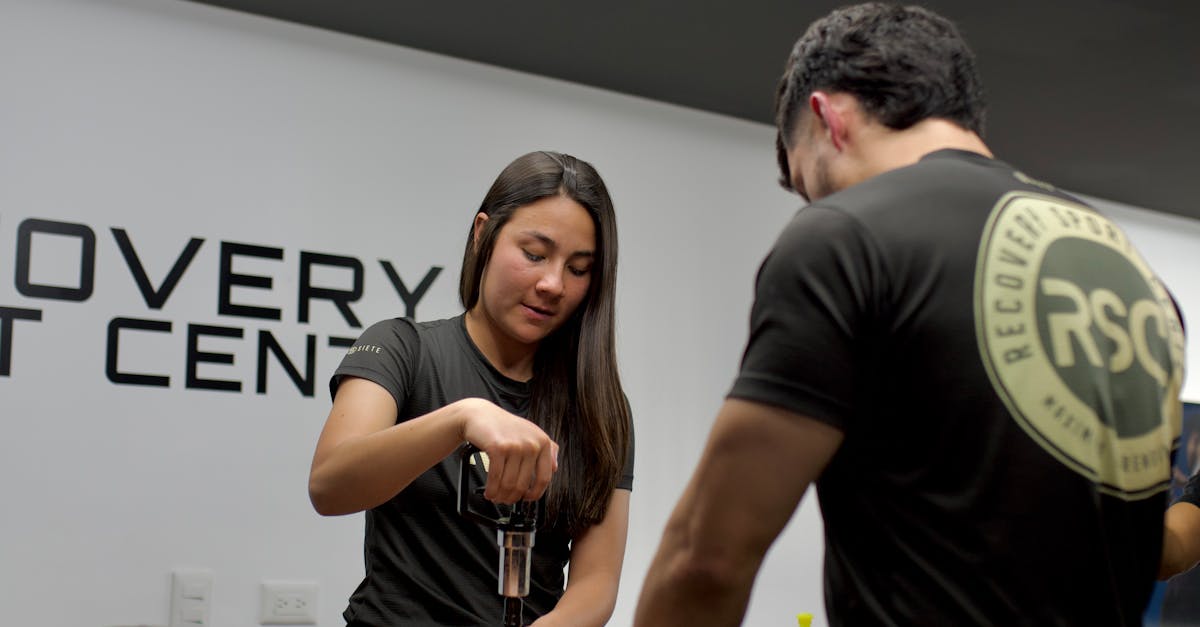
Safety Considerations in Exercise
Ensuring safety during exercise is paramount for individuals recovering from traumatic brain injury. Prior to embarking on any physical activity, it is essential to conduct a comprehensive medical assessment. This evaluation helps determine the individual's unique needs and any specific contraindications related to their condition. A safe environment is equally critical; this involves using appropriate equipment and ensuring that the space is free from hazards that could lead to falls or further injury.
Listening to the body is vital throughout the rehabilitation process. Individuals must be vigilant in recognising their own limitations. Rest periods should be built into exercise routines, allowing the body time to recover. Warm-up and cool-down sessions play an essential role in preparing for physical exertion and aiding in recovery afterward. Choosing exercises that promote stability and control can significantly reduce the risk of injury while fostering greater confidence in movement.
Recognising Signs of Overexertion
Individuals recovering from traumatic brain injury may experience unique challenges when participating in exercise programs. It is crucial to remain vigilant for signs of overexertion, as these can manifest both physically and mentally. Symptoms such as dizziness, increased confusion, excessive fatigue, or headaches should not be overlooked. Nausea or changes in mood may also indicate that an individual is pushing beyond their limits. Recognising these signs early can prevent setbacks in recovery and ensure safety during physical activity.
Effective communication between the individual and their support team plays a vital role in identifying overexertion. Regular check-ins allow for the exchange of information regarding how the person feels during and after exercise sessions. Feedback on their physical state, along with any emotional responses, helps in creating a responsive exercise programme. Adjustments can be made based on the individual’s capacity, ensuring that activities remain beneficial and enjoyable, rather than overwhelming.
The Role of Professional Guidance
Professional guidance is essential when designing exercise programs for individuals recovering from traumatic brain injury. Specialists such as physiotherapists and occupational therapists understand the complexities of brain injuries and can assess an individual's unique needs. Their expertise allows for safe and effective program development tailored to each patient's condition, ensuring exercises address specific physical limitations and cognitive challenges.
Collaboration with qualified trainers can further enhance recovery. They can offer practical strategies to implement suggested exercises while considering safety and individual progress. Their experience in adapting programs based on real-time feedback promotes a supportive environment for patients gradually building their strength and confidence. This combined professional approach helps to navigate the often nuanced path of recovery, making the process safer and more effective.
Working with Physiotherapists and Trainers
Engaging with physiotherapists and trainers who specialise in brain injury rehabilitation can significantly enhance recovery outcomes. These professionals possess the knowledge to create tailored exercise programs that align with individual capabilities and needs. They evaluate physical limitations and address any specific complications that arise during rehabilitation. Close collaboration ensures exercises are appropriately challenging while remaining safe.
Regular sessions with these experts offer ongoing support and motivation, fostering a sense of achievement in individuals on their recovery journey. Trainers can incorporate various techniques, focusing on balance, strength, and coordination. Additionally, they play a key role in adapting programs based on progress, making adjustments as patients build their endurance and confidence. This partnership not only aids physical recovery but also contributes to emotional wellbeing.
Monitoring Progress and Adjusting Programs
Tracking an individual's progress during exercise rehabilitation is crucial for optimising recovery. Regular assessments help identify improvements in strength, endurance, and overall function. Adaptations in exercise intensity and type may be necessary based on these assessments to ensure that the program remains challenging yet achievable. This adjustment process fosters continual engagement and motivation for the individual, ultimately aiding in the recovery journey.
Maintaining realistic goals is essential for fostering a positive mindset throughout rehabilitation. Setting these objectives should involve input from both the individual and the healthcare professionals overseeing their recovery. It is important to celebrate small milestones while remaining open to revising goals as the individual progresses. This dynamic approach ensures that the exercise program remains aligned with the individual’s capabilities and needs, promoting a sense of accomplishment and reinforcing commitment to the recovery plan.
Setting Realistic Goals and Expectations
Establishing attainable objectives is crucial for individuals recovering from traumatic brain injury. Setting goals that are specific, measurable, achievable, relevant, and time-bound can foster a sense of accomplishment. This structured approach allows individuals to experience gradual improvement, which can be highly motivating. Flexibility is essential, as adjustments may be necessary based on the individual’s recovery process and overall wellbeing.
Communication with healthcare professionals is vital when setting these goals. Regular check-ins with physiotherapists or trainers can provide valuable insights and ensure that expectations remain in line with the individual’s current abilities. Emphasising small milestones rather than distant outcomes helps maintain focus and encourages persistence through the rehabilitation journey. Celebrating incremental successes can make the process more enjoyable and less daunting.
FAQS
What types of exercises are safe for individuals recovering from a traumatic brain injury?
Safe exercises often include low-impact activities such as walking, swimming, and stretching. It is important to consult with a healthcare professional to determine the most appropriate exercises based on individual capabilities and recovery progress.
How can I recognise signs of overexertion during exercise?
Signs of overexertion may include excessive fatigue, dizziness, headaches, difficulty concentrating, and changes in mood. If any of these symptoms occur, it is crucial to stop the activity and rest, and consult with a healthcare provider if symptoms persist.
Why is professional guidance important when creating an exercise program for TBI recovery?
Professional guidance ensures that the exercise program is tailored to the individual's specific needs, abilities, and recovery goals. Physiotherapists and trainers can provide valuable insights and modifications to ensure safety and effectiveness.
How can I work effectively with physiotherapists and trainers during my recovery?
Open communication is key. Discuss your goals, any concerns about your recovery, and be honest about your progress and any difficulties you face. This will help professionals design a more effective and personalised exercise program.
What should I consider when setting goals for my exercise program?
Goals should be realistic, specific, and achievable. Focus on incremental progress and celebrate small achievements. Regularly reassess your goals with your healthcare team to ensure they align with your recovery journey.
Related Links
Community-Based Rehabilitation Strategies for Traumatic Brain Injury SurvivorsFunctional Outcome Measures in Traumatic Brain Injury Physiotherapy
Use of Virtual Reality in Physiotherapy for Traumatic Brain Injury
Assessing and Addressing Balance Disorders in Traumatic Brain Injury
Neuroplasticity and Its Implications for Traumatic Brain Injury Rehabilitation