Understanding the Role of Breathing Exercises in Physiotherapy
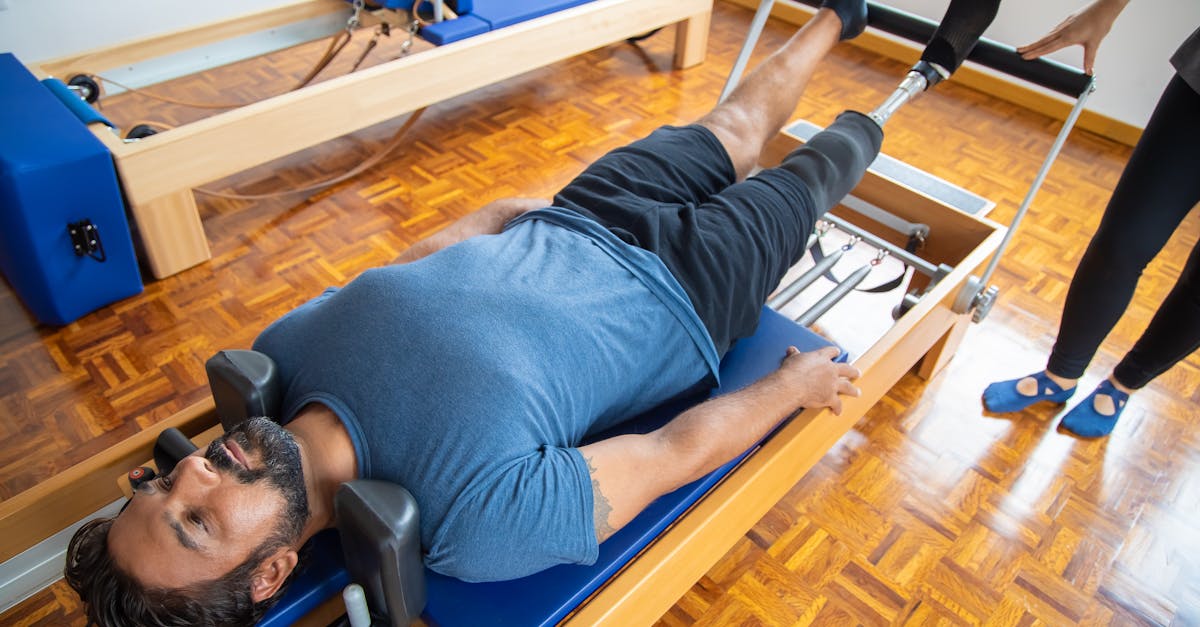
The Psychological Impact of Controlled Breathing
The practice of controlled breathing has been recognised for its significant psychological benefits. It serves as a powerful tool for managing stress and promoting emotional well-being. The act of focussing on the breath can initiate a calming response in the body, reducing levels of anxiety and fostering a sense of inner peace. This mindfulness aspect allows individuals to reconnect with their bodies, promoting a greater awareness of their emotional states.
Engaging in structured breathing exercises can also enhance concentration and mental clarity. Participants often report feeling more grounded and present in the moment after practising these techniques. The physiological changes triggered by deep, rhythmic breathing can ease tension and cultivate a more balanced mental state. As individuals learn to regulate their breath, they tend to experience improved mood and resilience in the face of challenging circumstances.
Reducing Anxiety through Breath Regulation
Controlled breathing techniques serve as effective tools for managing anxiety. By focusing on the rhythm and depth of each breath, individuals can reduce the physiological symptoms of stress. Slowing the breath promotes a state of calm, allowing the body to shift from a fight-or-flight response to a more relaxed state. This shift can help alleviate feelings of panic, promoting a greater sense of mental clarity and emotional stability.
Breath regulation techniques, such as diaphragmatic breathing and the 4-7-8 method, are often utilised within therapeutic settings. These methods encourage deeper inhaling and exhaling, which can lead to lower heart rates and reduced muscle tension. Through guided exercises, physiotherapists can assist patients in recognising and modifying their breathing patterns to enhance overall feelings of well-being. This practice not only addresses immediate feelings of anxiety but also contributes to long-term improvements in mental health.
Assessing Breathing Patterns
Understanding how individuals breathe is essential for tailoring effective physiotherapy interventions. Physiotherapists utilise various assessment techniques to observe and analyse breathing patterns. These assessments often include visual inspection, palpation, and the use of specialised equipment to measure respiratory rates and volumes. Observing the shoulder and chest movements during respiration provides additional insights into the mechanics of breathing. Patients may also be asked to engage in specific activities, allowing therapists to gauge how their breathing techniques adapt under different conditions.
Spirometry and peak flow meters are among the tools commonly employed for a more quantitative analysis. These devices measure airflow and lung volumes, offering objective data that helps in diagnosing specific breathing disorders. In combination with patient history and physical examination, this information allows physiotherapists to identify any underlying issues and develop appropriate therapeutic strategies. Regular monitoring of breathing patterns can track progress and inform adjustments to treatment plans.
Tools and Methods for Evaluation
Various tools are utilised in assessing breathing patterns, enabling physiotherapists to gather vital information about a patient's respiratory function. Spirometry is a common method which measures the volume and flow of air during inhalation and exhalation. Additionally, peak flow meters provide immediate feedback on a patient's ability to exhale forcefully. These devices help clinicians identify any deviations from normal respiratory rates and volumes, thus informing their treatment strategies.
Observation and patient interviews play a crucial role in the assessment process. Clinicians often evaluate chest movement and symmetry, noting any restrictions or abnormalities. Furthermore, detailed discussions with patients about their breathing experiences enhance understanding of their conditions. Utilising these varied approaches allows physiotherapists to create a comprehensive picture of a patient’s respiratory health, leading to more effective intervention plans.
Common Breathing Disorders Treated by Physiotherapists
Physiotherapists play an essential role in managing various respiratory conditions that can severely affect a person's quality of life. Common disorders include chronic obstructive pulmonary disease (COPD), asthma, and restrictive lung diseases. Each of these conditions presents unique challenges, requiring tailored interventions aimed at improving lung function and reducing symptoms. Interventions may involve breathing techniques, exercises to strengthen respiratory muscles, and strategies to promote effective airway clearance.
In addition to these established conditions, physiotherapy also addresses issues related to post-operative recovery. Patients who have undergone thoracic surgery or those recovering from pneumonia often experience impaired lung function. Targeted physiotherapy can aid in restoring normal breathing patterns and increasing overall lung capacity. Through individualised treatment plans, physiotherapists aim to enhance patients' functional abilities and facilitate a smoother journey towards recovery and improved respiratory health.
Overview of Conditions and Interventions
Physiotherapists play a vital role in the assessment and management of various breathing disorders. Conditions such as chronic obstructive pulmonary disease (COPD), asthma, and restrictive lung diseases are commonly addressed through tailored interventions. These disorders often lead to impaired respiratory function, making effective breathing exercises essential for improving patients' quality of life. In addition to physical assessment, understanding individual patients' needs allows physiotherapists to implement specific exercise regimes, posture training, and techniques aimed at enhancing resilience.
Interventions may include diaphragmatic breathing, pursed lip breathing, and inspiratory muscle training, each designed to improve lung capacity and oxygenation. Techniques are adapted to the severity of the condition and the patient's overall health status. Through continuous monitoring, physiotherapists can adjust these interventions, ensuring they remain effective as the patient's condition evolves. The goal is to empower patients, enabling them to manage symptoms and enhance their daily functioning through improved respiratory control.
FAQS
What are breathing exercises in physiotherapy?
Breathing exercises in physiotherapy are techniques designed to improve respiratory function, enhance lung capacity, and promote relaxation through controlled breathing patterns. These exercises can help patients manage various respiratory conditions and improve their overall wellbeing.
How do breathing exercises help reduce anxiety?
Breathing exercises can help reduce anxiety by promoting relaxation and calming the nervous system. Controlled breathing increases oxygen supply to the brain, which can alleviate feelings of stress and anxiety, allowing individuals to regain a sense of control and calmness.
What tools are commonly used to assess breathing patterns in physiotherapy?
Common tools used to assess breathing patterns include spirometers, peak flow meters, and observational assessments, which allow physiotherapists to evaluate lung function, breathing rates, and overall respiratory mechanics.
What types of breathing disorders can physiotherapists treat?
Physiotherapists can treat a range of breathing disorders, including asthma, chronic obstructive pulmonary disease (COPD), anxiety-related hyperventilation, and restrictive lung diseases. Each condition may require specific interventions and tailored breathing exercises.
How often should one practice breathing exercises to see benefits?
The frequency of practicing breathing exercises can vary depending on individual needs and conditions. However, consistent practice, ideally daily or several times a week, is generally recommended to see significant benefits in respiratory function and anxiety management.
Related Links
Exploring the Benefits of Pursed Lip BreathingThe Impact of Controlled Breathing on Anxiety and Stress Relief
The Science Behind Breathing and Lung Health
Common Mistakes in Breathing Techniques and How to Avoid Them
Developing a Personalised Breathing Exercise Plan