Customising Posture Correction Strategies for Individual Needs
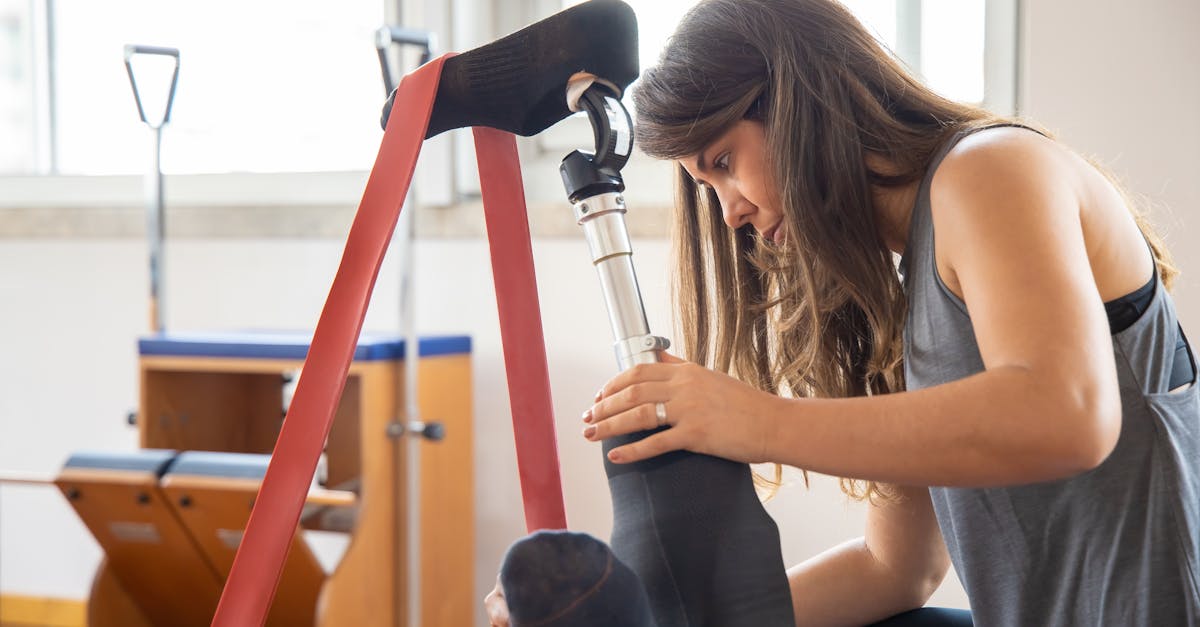
Incorporating Technology for Posture Improvement
The integration of technology in posture improvement has transformed how individuals approach alignment and body awareness. Wearable devices serve as real-time feedback mechanisms, alerting users when they slouch or adopt unhealthy postures. These gadgets often connect via smartphones, allowing for tailored advice and reminders. This constant support helps users stay mindful of their posture throughout the day, enhancing their chances of making lasting changes.
Smartphone applications also play a crucial role in this pursuit. Many of these apps offer guided exercises, instructional videos, and progress tracking features, making them accessible for users of all fitness levels. Some applications leverage augmented reality, allowing users to visualise their posture in an interactive manner. This blend of technology and user engagement promotes a comprehensive approach to posture correction, catering to individual needs.
Useful Apps and Gadgets
A variety of applications and devices are available to support posture correction in daily life. Many smartphone apps provide reminders for users to check their posture throughout the day. These applications often include features such as guided exercises and progress tracking, allowing individuals to monitor improvements over time. Wearable gadgets, such as posture-correcting bands and smart clothing, can offer real-time feedback, alerting users when they are slouching or not maintaining optimal alignment.
Some of the most popular apps incorporate gamification elements, making the process of improving posture more engaging. Users can earn rewards or compete with friends, fostering a sense of community around the shared goal of better posture. Devices designed to provide gentle vibrations when incorrect posture is detected can serve as practical reminders, promoting consistent awareness and encouraging healthier habits. Together, these technological solutions create a comprehensive toolkit for anyone seeking to enhance their posture effectively.
Role of Physical Therapy
Physical therapy plays a crucial role in addressing postural issues. Through tailored assessment, a therapist identifies specific musculoskeletal imbalances. They develop personalised treatment plans that encompass strengthening exercises, stretching routines, and hands-on techniques to improve alignment. This targeted approach not only alleviates existing discomfort but also helps prevent future posture-related problems.
Therapists educate clients about their body mechanics and posture habits. By incorporating movement re-education, they empower individuals to develop greater awareness of their posture throughout daily activities. Clients learn how to integrate corrective strategies into their routines, fostering long-term improvements. This combination of physical interventions and education creates a holistic method for achieving better posture.
How a Therapist Can Help
A therapist plays a crucial role in developing personalised strategies for posture correction. Through comprehensive assessments, they identify specific muscle imbalances, weaknesses, and areas of tension that contribute to poor posture. By tailoring exercises to address these issues, therapists ensure individuals receive targeted care. This customised approach not only enhances effectiveness but also promotes a deeper understanding of one’s body mechanics.
Additionally, therapists provide guidance on ergonomics and daily habits that affect posture. By educating clients about proper body alignment during various activities, they help instill lasting improvements. Regular sessions may also offer motivation and accountability, fostering a commitment to maintaining good posture. The blend of hands-on treatment and strategic advice enables a holistic approach to achieving and sustaining optimal posture.
Mindfulness and Posture
An increased awareness of the body can significantly enhance an individual's ability to maintain proper posture. Mindfulness practices encourage focused attention on bodily sensations, promoting an understanding of how posture affects overall comfort and well-being. By being in tune with physical alignment, one can better recognise detrimental habits that lead to discomfort or pain. This approach not only addresses the mechanics of posture but also nurtures a holistic sense of self-awareness.
Mindfulness techniques such as meditation or guided breathing exercises enable individuals to cultivate a relaxed and alert state of mind. In a mindful state, the body is more receptive to adjustments, making it easier to correct slouched shoulders or misaligned spines. Regular practice can create a deeper connection between body and mind, allowing for real-time adjustments to posture throughout daily activities. This synergy enhances not only physical health but also mental clarity and focus, fostering an environment conducive to better posture.
The Connection Between Awareness and Alignment
Heightened awareness of one’s body position can significantly influence posture. Individuals often engage in habitual movements and poor alignment without realising the impact on their physical health. By fostering a deeper connection between mind and body, individuals can become more attuned to their posture throughout daily activities. This awareness can encourage timely adjustments, reducing the risk of discomfort and longer-term musculoskeletal problems.
Mindfulness practices play a pivotal role in enhancing this awareness. Techniques such as meditation and yoga help individuals focus on their bodily sensations and align their mental state with physical reality. Increased mindfulness promotes better alignment by encouraging the individual to notice when they slump or adopt unhealthy positions. Consequently, this cultivated awareness can lead to more intentional and self-corrective actions, fostering a healthier posture over time.
FAQS
What are some common technologies used for posture improvement?
Common technologies include posture-tracking apps, wearable devices that vibrate to remind you to adjust your posture, and smart chairs designed to encourage proper alignment.
How can physical therapy assist with posture correction?
Physical therapy can help by providing personalised exercises that target muscle imbalances, improving flexibility, and teaching proper body mechanics to support better posture.
Are there specific apps that can aid in posture correction?
Yes, there are several useful apps available, such as Posture Pal, Upright Go, and MyPosture, which offer tracking, reminders, and exercises to improve posture.
How does mindfulness contribute to good posture?
Mindfulness helps increase body awareness, allowing individuals to recognise and correct poor posture habits throughout their daily activities.
Can posture correction strategies be customised for different individuals?
Absolutely! Customising posture correction strategies involves assessing individual needs, preferences, and lifestyles to create a tailored approach that works best for each person.
Related Links
Evaluating the Effectiveness of Posture Training ProgramsAssessing Postural Imbalances through Physiological Models
The Relationship between Footwear and Postural Alignment
The Impact of Poor Posture on Musculoskeletal Health
The Role of Core Stability in Optimal Posture