Evaluating the Effectiveness of Posture Training Programs
Choosing the Right Posture Training Program
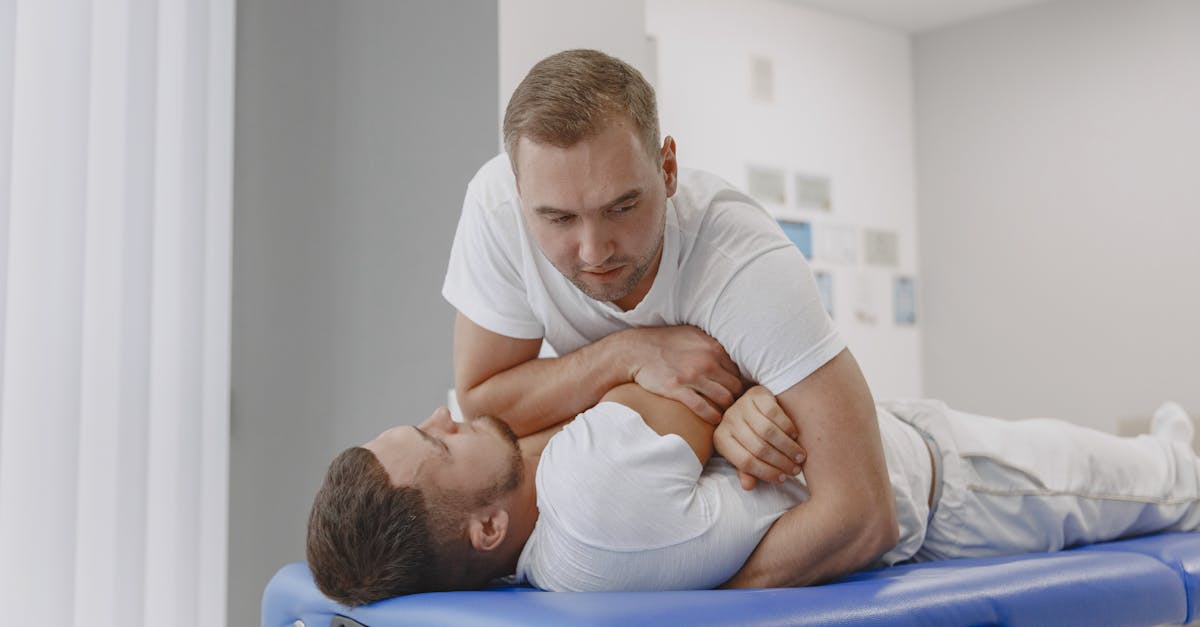
Selecting an appropriate posture training programme involves understanding personal needs and lifestyle. Individuals should evaluate their daily routines, existing health conditions, and specific posture issues. Customisation is essential; what works well for one person may not be effective for another. Seeking professional advice can provide insights into which methods or techniques will best address unique challenges.
Another vital aspect is the training approach. Some programmes prioritise physical exercises, while others incorporate education on body mechanics and ergonomics. The choice between group sessions and one-on-one consultations can significantly influence motivation and results. Commitment to regular practice also plays a crucial role in achieving long-term improvements, making the fit between the individual and the programme an important factor for success.
Factors to Consider for Individual Needs
When selecting a posture training program, individual requirements play a crucial role in determining its effectiveness. Factors such as age, existing physical conditions, and daily activities significantly influence the type of training that will be most beneficial. For instance, someone with a sedentary job may have different needs compared to an athlete. Understanding these personal aspects allows for a more tailored approach that can enhance motivation and adherence to the training regimen.
Additionally, the support system and environment surrounding the individual are essential considerations. For example, access to a knowledgeable trainer or supportive peer group can greatly impact progress. Furthermore, the individual's willingness to engage with the training programme and integrate changes into their daily routine is vital for long-term success. Personalising the approach according to these factors can lead to better outcomes and improve overall posture.
Role of Technology in Posture Training
Technology has significantly influenced the way posture training is approached. A variety of applications and digital tools have emerged, designed to assist individuals in improving their posture. Many of these programmes offer real-time feedback, allowing users to adjust their positions as needed. This immediacy is crucial in developing better habits, as users can receive guidance throughout their daily activities. Additionally, wearable devices have gained popularity, providing reminders and alerts to maintain correct posture during lengthy periods of sitting or standing.
Innovative tools are enhancing the traditional methods of posture correction. For example, augmented reality (AR) applications can simulate real-life scenarios that require users to maintain proper alignment whilst performing various tasks. These interactive experiences make learning about posture more engaging and informative. Furthermore, smart chairs and desks equipped with sensors provide insights into users' habits and suggest adjustments based on their movements. These advancements not only promote awareness but also contribute to more sustainable improvements in posture over time.
Innovative Tools and Devices
The evolution of technology has ushered in a variety of tools designed to enhance posture training. Wearable devices, such as smart posture correctors, provide real-time feedback by alerting users when they slouch. These gadgets often use sensors to detect body alignment and can connect to mobile applications, allowing users to track their progress over time. This immediate feedback encourages consistent engagement with proper posture habits.
In addition to wearables, software applications have emerged that focus on posture improvement through guided exercises and routines. Many of these apps offer personalised plans that cater to individual needs and progress levels. By integrating videos and interactive prompts, users can better understand the proper techniques and the importance of maintaining good posture throughout their daily activities. These innovative approaches not only make training accessible but also foster a more engaging learning experience.
Case Studies of Successful Posture Training
Successful outcomes from posture training can often be highlighted through various case studies. One such example includes a corporate office that implemented a comprehensive posture programme for its employees. Feedback gathered over six months indicated a significant decline in the number of reported musculoskeletal disorders. Employees expressed improved comfort levels during their work hours, with many noting enhanced productivity as they felt less discomfort from poor posture habits.
Another illustrative case comes from a rehabilitation clinic that focused on postural correction for patients recovering from spinal injuries. The programme involved customised training regimens, including exercises and ergonomic assessments. Patients, after months of committed participation, exhibited notable improvements not only in posture but also in overall mobility. Clinicians reported higher rates of satisfaction and fewer relapse cases, showcasing the effectiveness of tailored posture training interventions in facilitating recovery and enhancing quality of life.
Real-life Examples and Outcomes
Individuals who have participated in structured posture training programs often report significant improvements in their daily lives. One such example is a corporate employee who suffered from chronic neck pain due to poor ergonomics at work. After six weeks of engaging in a tailored posture correction regime, her symptoms greatly diminished. Additionally, she noted enhanced concentration and productivity, attributing these changes to better alignment and reduced discomfort.
Another notable case involves a dancer whose posture challenges hindered her performance. By incorporating a specialised training program that focused on core strengthening and flexibility, she experienced a remarkable transformation. Her increased body awareness allowed for not only improved posture but also greater fluidity in her movements. Fellow performers observed the changes, highlighting an uplift in her overall stage presence and confidence. Such cases exemplify the tangible benefits that posture training can yield across diverse lifestyles.
FAQS
What are the key factors to consider when choosing a posture training program?
Key factors include your individual needs, specific goals, the qualifications of the instructor, the program's duration, and any technology or tools used in the training.
How can technology enhance posture training programs?
Technology can enhance posture training through innovative tools and devices that provide real-time feedback, monitor progress, and customise training plans to suit individual needs.
Are there any specific case studies that demonstrate the effectiveness of posture training?
Yes, there are various case studies that highlight real-life examples of individuals who have successfully improved their posture and overall wellbeing through tailored posture training programs.
How long does it typically take to see results from posture training?
The time to see results can vary depending on the individual and the training programme, but many people report improvements within a few weeks of consistent practice.
Is posture training suitable for everyone?
While posture training can benefit most individuals, it is advisable to consult with a healthcare professional or posture specialist to assess personal suitability, especially if there are pre-existing health conditions.
Related Links
The Relationship between Footwear and Postural AlignmentCustomising Posture Correction Strategies for Individual Needs
Assessing Postural Imbalances through Physiological Models
The Impact of Poor Posture on Musculoskeletal Health
The Role of Core Stability in Optimal Posture