Deep Tissue Massage Techniques: A Comprehensive Guide
Finding a Qualified Therapist
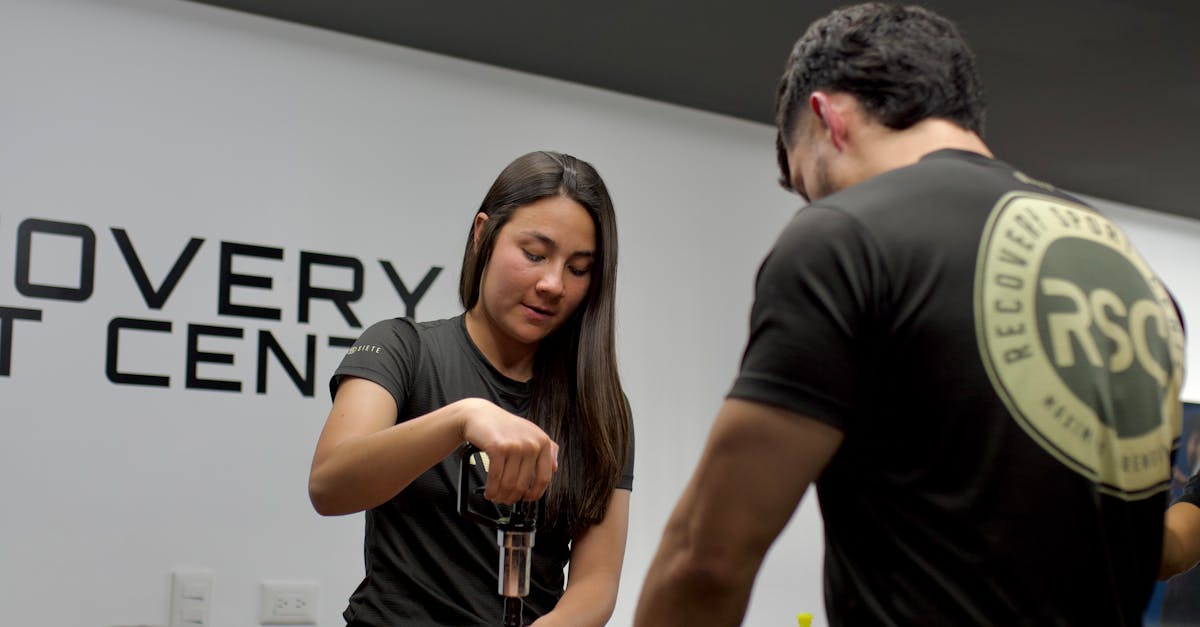
Choosing a qualified therapist is crucial for an effective deep tissue massage experience. Look for professionals who have completed recognised training programmes. Many therapists hold certifications from established organisations. It’s also beneficial if they have experience specifically in deep tissue techniques, as this form of massage requires a deeper understanding of muscle anatomy and tension release.
When seeking a therapist, consider their specialisation and approach to client care. Personal recommendations can be valuable, while online reviews may shed light on their reputation. It’s advisable to verify any credentials and professional affiliations, which can indicate a commitment to ongoing education in the field. A good therapist will be open to discussing their methods and will prioritise your comfort and wellbeing throughout the session.
What Credentials to Look For
When searching for a qualified therapist, it is essential to consider their qualifications and training. Look for certifications from recognised organisations, which often indicate a level of professionalism and knowledge in the field. Many practitioners undergo a specific educational programme focusing on anatomy, physiology, and various massage techniques. The duration of training can also be a significant factor; therapists with extensive training in deep tissue techniques are generally more equipped to handle this specialised form of massage.
Experience plays a vital role as well. Seek therapists who have been practising for several years and have numerous satisfied clients. Reading reviews and testimonials can provide insight into their skills and approach to deep tissue massage. Additionally, ensure that the therapist maintains professional standards by checking if they are a member of any professional body or association. This affiliation can offer reassurance regarding their commitment to ongoing education and adherence to industry best practices.
Deep Tissue Massage vs. Other Techniques
Deep tissue massage focuses on the deeper layers of muscle and connective tissue, designed to relieve tension and chronic pain. It employs a more intense pressure than other techniques, such as Swedish massage, which uses lighter strokes aimed at relaxation and improved circulation. While Swedish massage is often preferred for stress relief, deep tissue is sought for its therapeutic benefits, targeting specific areas of discomfort with precision. Sports massage, another related technique, is tailored to athletes and incorporates both deep tissue methods and techniques to enhance performance and recovery.
In contrast to Swedish and sports massage, deep tissue massage may sometimes induce discomfort during the session, but the pressure is crucial for releasing built-up tension. Clients undergoing deep tissue sessions often find that pain decreases significantly after treatment, which distinguishes it from more gentle approaches. Both techniques have unique benefits, making it essential for individuals to choose based on their specific needs and conditions. Understanding these differences can help in selecting the appropriate massage technique for targeted relief or overall wellness.
Comparing with Swedish and Sports Massage
Deep tissue massage focuses on realigning deeper layers of muscles and connective tissue. This technique is particularly beneficial for chronic aches and pains, as it targets specific areas of tension and discomfort through firm pressure and slow strokes. It differs significantly from Swedish massage, which employs lighter pressure and long, flowing movements designed to promote relaxation and improve circulation. While both aim to alleviate stress, deep tissue massage is often more intense and concentrated on problem areas, making it suitable for individuals with a history of injury or persistent muscle tension.
On the other hand, sports massage is tailored for athletes and active individuals. This technique uses various strokes, including deep tissue methods, to enhance performance and prevent injuries. Unlike deep tissue massage, sports massage incorporates stretching and focuses on specific muscle groups used in a particular activity. While deep tissue massage might address general muscle tension, sports massage is more goal-oriented, aiming to facilitate recovery and prepare the body for athletic activities. Each technique has its unique benefits, catering to different needs and preferences in the realm of massage therapy.
Aftercare Following Deep Tissue Massage
Post-massage care is essential to ensure the benefits of deep tissue treatment are fully realised. Hydration plays a crucial role in this process. Drinking plenty of water helps to flush out toxins released during the massage and supports muscle recovery. It can also mitigate feelings of soreness that may arise afterward.
Gentle stretching and light activity can aid in alleviating tightness in muscles. Engaging in restorative practices such as yoga or simple walking promotes blood circulation and enhances flexibility. Applying heat or cold packs to affected areas can provide additional relief and comfort. Listening to your body and allowing it rest is paramount for optimal recovery.
Recommendations for Recovery
After receiving a deep tissue massage, it is essential to prioritise hydration. Water helps flush out toxins that may have been released during the treatment. Consuming more fluids not only aids in recovery but can also alleviate any muscle soreness that may occur afterward. Herbal teas or electrolyte-rich drinks can be beneficial, offering additional support to the body's natural recovery process.
Rest is equally important in the hours and days following the massage. Engaging in light activities such as stretching or gentle walking can help maintain mobility without overexerting the muscles. Applying heat or cold packs may further relieve any tension or discomfort. Listening to one’s body and allowing sufficient time for recovery ensures the full benefits of the massage are realised.
FAQS
What is deep tissue massage?
Deep tissue massage is a therapeutic technique that focuses on the deeper layers of muscle and connective tissue in the body. It aims to relieve tension and pain by applying sustained pressure and slow strokes.
How do I find a qualified therapist for deep tissue massage?
To find a qualified therapist, look for professionals who hold relevant certifications or licenses in massage therapy. It's also beneficial to check their experience, client reviews, and specialisation in deep tissue techniques.
How does deep tissue massage differ from Swedish massage?
Deep tissue massage uses more intense pressure and focuses on deeper muscle layers, while Swedish massage employs lighter strokes and techniques aimed at relaxation. The goal of deep tissue massage is to alleviate chronic tension and pain, whereas Swedish massage is primarily for relaxation.
What should I do after a deep tissue massage?
After a deep tissue massage, it's important to drink plenty of water to help flush out toxins released from the muscles. Gentle stretching and rest can also aid recovery. Avoid strenuous activities for at least 24 hours to allow your muscles to heal.
Are there any side effects of deep tissue massage?
Some individuals may experience mild soreness, bruising, or stiffness following a deep tissue massage, similar to what one might feel after an intense workout. These symptoms usually subside within a day or two. If discomfort persists, it is advisable to consult a healthcare professional.
Related Links
Exploring the Benefits of Craniosacral Therapy in Musculoskeletal ConditionsIntegrating Strain-Counterstrain Techniques in Physiotherapy Practice
The Impact of Osteopathic Manipulative Treatment on Muscle Recovery
Application of Joint Mobilisations in Managing Osteoarthritis
An Overview of Trigger Point Therapy for Chronic Pain