Exploring the Benefits of Craniosacral Therapy in Musculoskeletal Conditions
Impact on Posture and Alignment
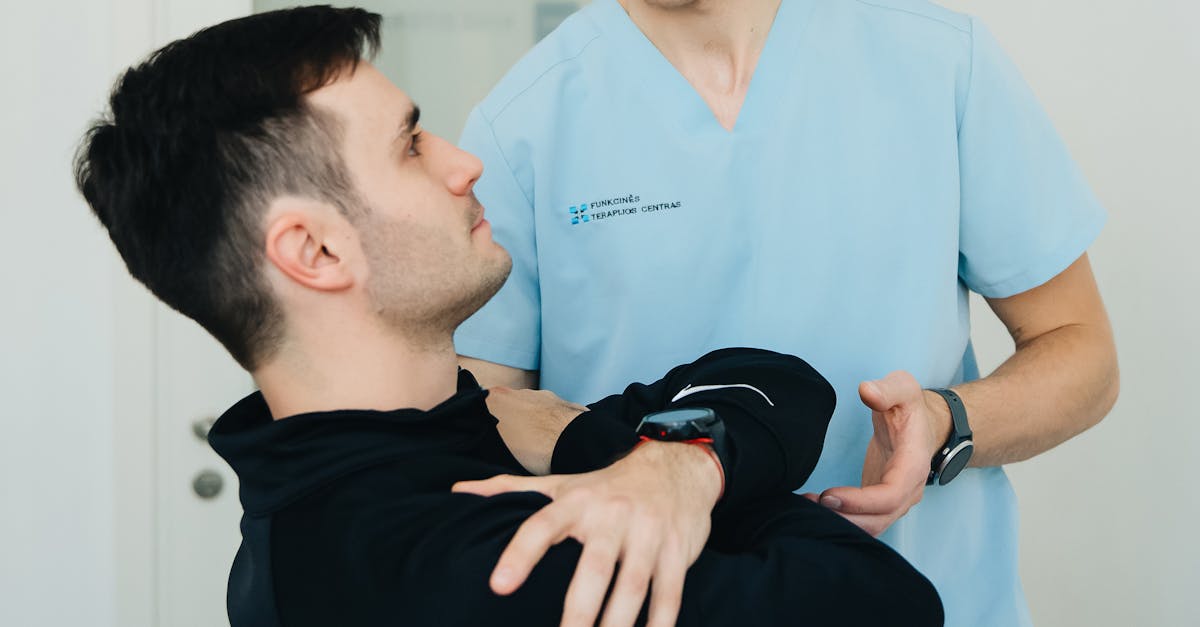
Craniosacral therapy offers significant benefits for improving posture and alignment through its gentle manipulative techniques. By addressing restrictions within the craniosacral system, this therapy aims to restore balance and enhance the body's natural alignment. Practitioners focus on the body’s fascia and other connective tissues, promoting a sense of ease and releasing tension that may lead to postural imbalances.
Many individuals experience improved proprioception as a result of craniosacral therapy. This heightened awareness of body positioning aids in developing a more aligned posture. Over time, patients may notice decreased discomfort and improved overall body mechanics, contributing to better functional movement in daily activities. The therapy encourages the body to realign itself, creating the potential for long-term improvements in stability and structural integrity.
Improving Structural Integrity and Balance
Craniosacral therapy focuses on enhancing the body’s natural alignment and structural integrity. Techniques applied during the sessions assist in releasing restrictions in the fascia and connective tissues. These adjustments promote better alignment of the skeletal system, allowing for improved posture and function. As a result, individuals often experience an increased sense of balance. This restoration helps the body operate more efficiently, reducing strain on muscles and joints.
Balanced structural alignment can significantly impact an individual’s overall well-being. Properly aligned bones and tissues reduce the risk of injury and enhance mobility. With improved balance, patients may find it easier to engage in physical activities without discomfort. This approach not only aids recovery from existing musculoskeletal issues but also fosters a proactive stance towards maintaining structural health for the future.
Stress Reduction and Relaxation
Craniosacral therapy offers a gentle approach to alleviating stress and promoting relaxation. The therapy focuses on the subtle rhythms of the craniosacral system, which involves the membranes and cerebrospinal fluid surrounding the brain and spinal cord. By applying light touch, practitioners create an environment conducive to deep relaxation, allowing the body to release tension and stress accumulated over time. This process often leads to a sense of tranquillity, making it easier for individuals to manage the everyday pressures of life.
The calming effects of craniosacral therapy can also extend to mental health. Many clients report a reduction in anxiety and improved emotional well-being following sessions. By fostering a state of relaxation, the therapy not only targets physical discomfort but also cultivates a peaceful mind. As individuals experience this holistic approach, they may find themselves better equipped to cope with stressors in their daily lives, enhancing their overall quality of life.
How Craniosacral Therapy Eases Mental Tension
The gentle touch and rhythmic techniques employed in craniosacral therapy are designed to promote profound relaxation. By focusing on the craniosacral system, the practitioner can help release restrictions in the body that may contribute to feelings of stress and anxiety. As tensions dissipate, clients often report a heightened sense of peace and clarity, allowing the mind to transition from a state of constant worry to one of calm attentiveness.
Through this therapeutic process, many individuals experience an increase in self-awareness and emotional release. Tension stored within the body's tissues is addressed, leading to a significant decline in mental strain. This holistic approach works not only on the physical aspects of tension but also on the mental frameworks that underpin stress, facilitating a deeper connection between mind and body.
Supporting Rehabilitation
Incorporating craniosacral therapy into rehabilitation programmes can provide significant advantages for individuals recovering from musculoskeletal injuries. This gentle, hands-on technique encourages the body’s natural healing processes and can enhance recovery speed. The therapy aids in reducing pain and discomfort, which often accompany rehabilitation. Additionally, it promotes better mobility by addressing restrictions in the fascia and connective tissues surrounding affected areas.
The holistic approach of craniosacral therapy helps to create a supportive environment for healing. Combining this therapy with traditional treatment methods can optimise outcomes for those undergoing rehabilitation. As patients engage in practices such as physical therapy or chiropractic care, the release of tension encouraged by craniosacral therapy can enhance their overall experience. This integration fosters a more comprehensive recovery journey, ultimately empowering individuals to regain their strength and function more effectively.
Complementing Traditional Treatment Methods
Craniosacral therapy has emerged as a supportive approach for individuals undergoing traditional treatments for musculoskeletal conditions. By promoting relaxation and encouraging the body’s own healing mechanisms, it serves as a valuable adjunct to standard medical interventions. Practitioners often observe that patients experience enhanced recovery times and a decrease in discomfort when craniosacral therapy is included in their treatment plans.
Additionally, this therapy can facilitate better communication between the body and mind, creating a holistic environment conducive to healing. For patients dealing with chronic pain or stress, craniosacral therapy may offer unexpected relief, thereby complementing physiotherapy, chiropractic care, or medication. The integration of such therapies underscores a more comprehensive approach to health, addressing both physical and psychological dimensions of recovery.
FAQS
What is craniosacral therapy?
Craniosacral therapy is a gentle, hands-on treatment that focuses on the craniosacral system, which comprises the membranes and cerebrospinal fluid surrounding the brain and spinal cord. It aims to enhance the body's natural healing processes and improve overall health.
How does craniosacral therapy impact posture and alignment?
Craniosacral therapy can help improve posture and alignment by releasing tension and restrictions in the body. This treatment promotes structural integrity and balance, allowing the body to function more efficiently and reducing the risk of musculoskeletal pain.
Can craniosacral therapy reduce stress and promote relaxation?
Yes, craniosacral therapy is known for its calming effects, helping to alleviate mental tension and stress. By targeting the nervous system, it encourages a state of deep relaxation, which can positively affect both physical and emotional well-being.
Is craniosacral therapy effective for rehabilitation after injury?
Craniosacral therapy can be an effective complementary approach in rehabilitation. It supports traditional treatment methods by enhancing recovery, reducing pain, and improving mobility, making it a valuable addition to an overall rehabilitation programme.
Are there any side effects associated with craniosacral therapy?
Craniosacral therapy is generally considered safe with minimal side effects. Some individuals may experience temporary discomfort or heightened sensitivity after a session, but these effects are usually short-lived. It's always best to consult with a qualified practitioner if you have any concerns.
Related Links
Deep Tissue Massage Techniques: A Comprehensive GuideThe Efficacy of Mobilisation Techniques in Musculoskeletal Rehabilitation
Integrating Strain-Counterstrain Techniques in Physiotherapy Practice
The Impact of Osteopathic Manipulative Treatment on Muscle Recovery
Application of Joint Mobilisations in Managing Osteoarthritis