Tailoring Exercise Regimens for Individuals with Parkinson’s Disease
The Role of Physiotherapists
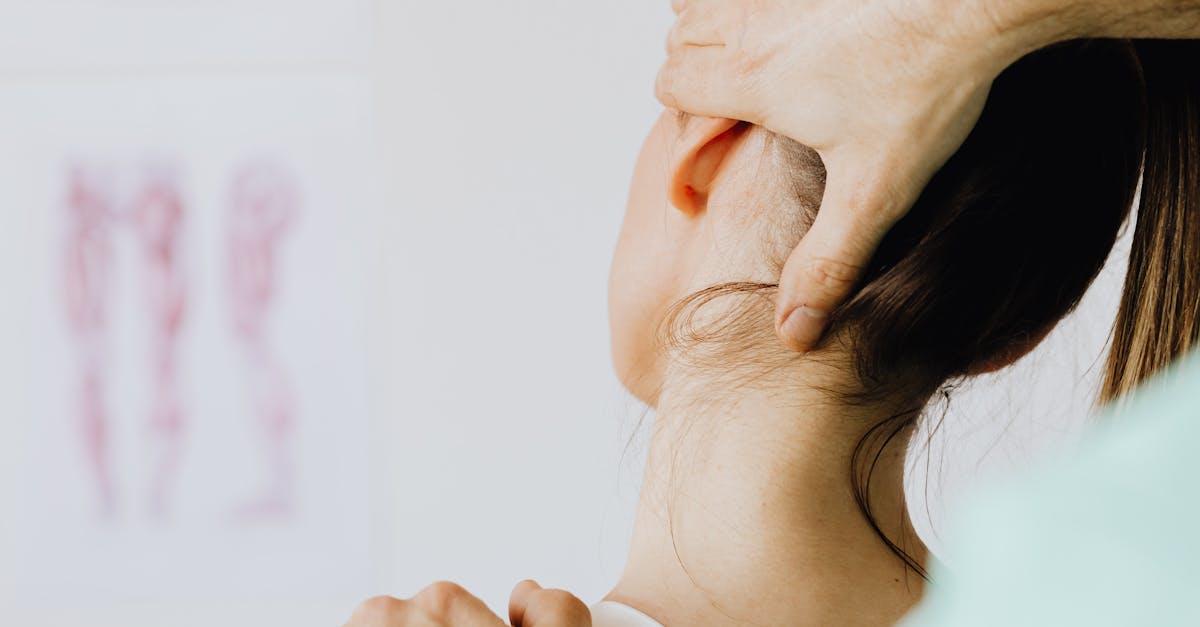
Physiotherapists play a crucial role in developing tailored exercise regimens for individuals with Parkinson’s disease. They assess each patient's physical capabilities and limitations, which allows for the creation of targeted programmes that focus on improving strength, flexibility, and balance. By understanding the unique challenges faced by individuals with this condition, physiotherapists can implement strategies that enhance mobility and minimise the risk of falls.
In addition to creating customised exercise plans, physiotherapists provide essential education on the importance of regular physical activity. They guide patients in understanding how specific exercises can alleviate symptoms and promote overall well-being. Continuous support and encouragement from physiotherapists also motivate individuals to adhere to their exercise regimens, fostering a sense of accountability and progress. This collaborative approach not only improves physical function but also contributes positively to the patient's mental health.
Professional Guidance and Support
Access to qualified professionals is crucial for individuals with Parkinson’s Disease when developing and tailoring exercise regimens. Physiotherapists possess the expertise to assess physical capabilities and recommend suitable activities. They can identify specific limitations and help design a programme that addresses individual needs, ensuring safety while promoting mobility and strength. Personalised guidance allows for adaptations based on the progression of the disease and the varying levels of physical ability.
Support from healthcare providers extends beyond the initial assessment. Ongoing supervision and re-evaluation of the exercise programme can help individuals make necessary adjustments over time. Regular feedback not only helps in tracking progress but also reinforces motivation for continued participation. By establishing a supportive network that includes physiotherapists, individuals can better navigate the challenges of exercise, gaining confidence and fostering resilience in their journey with Parkinson’s Disease.
Incorporating Technology into Exercises
The integration of technology into exercise regimens can greatly enhance the experience and effectiveness of physical activities for individuals with Parkinson’s disease. Smartphone applications offer tailored workouts, allowing users to track their progress and set achievable goals. Many of these applications include reminders and motivational features, ensuring consistent physical activity. Moreover, the availability of online resources and video demonstrations can aid in performing exercises correctly, reducing the risk of injury.
Wearable devices also play a significant role in promoting active lifestyles. Fitness trackers monitor heart rate, steps taken, and overall activity levels, providing valuable data for both users and healthcare providers. These devices can alert individuals to patterns in their health and help them adjust their routines accordingly. With features such as vibration alerts to remind users to move, technology becomes an essential partner in maintaining an active lifestyle despite the challenges posed by Parkinson’s disease.
Utilising Apps and Wearable Devices
The integration of technology in exercise regimens significantly enhances the management of Parkinson’s disease. Mobile applications designed for fitness tracking provide tailored routines that accommodate individual capabilities and limitations. These apps often feature reminders for scheduled workouts, making it easier for individuals to stay committed to their exercise goals. Additionally, they can monitor progress, allowing users to celebrate achievements and maintain motivation.
Wearable devices contribute further to a comprehensive approach by tracking vital health metrics during physical activities. Heart rate, step count, and fall detection capabilities help users and healthcare professionals gauge safety and overall fitness levels. Such technology not only fosters independence but also empowers individuals to engage with their exercise programs actively. The combination of apps and wearables creates an interactive environment, promoting adherence and enhancing the effectiveness of tailored exercise routines.
Building a Supportive Environment
Creating a supportive environment is essential for individuals with Parkinson’s disease. This can be accomplished by encouraging open communication between the person affected and their family or caregivers. Understanding the unique challenges faced, such as mobility issues or fatigue, allows loved ones to offer more tailored assistance. Regular discussions can help everyone involved to better anticipate needs and adjust support accordingly, fostering a sense of community.
Involving family and caregivers in exercise regimens can significantly enhance motivation. When family members join in physical activities, it not only provides companionship but also reinforces the importance of regular exercise. By participating together, they can share moments of joy and achievement, making the process more enjoyable. Additionally, educating family and caregivers about the specific needs and limitations of an individual with Parkinson’s can empower them to create a safe and encouraging atmosphere for physical activity.
Involving Family and Caregivers
Family members and caregivers play a crucial role in the exercise routines of individuals with Parkinson’s disease. Their involvement not only provides practical assistance but also offers emotional support. Regular engagement in physical activities can be difficult for those living with Parkinson’s, and having a familiar face can make a significant difference. Caregivers can encourage participation, helping to create a consistent routine that promotes motivation and adherence to exercise regimens.
Incorporating family members into exercise sessions fosters a sense of community and camaraderie. Group activities can be adapted to suit varying levels of ability, ensuring everyone can contribute. This shared experience can strengthen relationships and create positive associations with physical activity. Moreover, family involvement can aid in monitoring progress and adapting exercises as needed, ensuring that the individual remains challenged without feeling overwhelmed.
FAQS
Why is it important for individuals with Parkinson's Disease to have tailored exercise regimens?
Tailored exercise regimens are crucial for individuals with Parkinson's Disease as they address specific symptoms, improve mobility, enhance strength, and promote overall well-being, helping to manage the disease more effectively.
How can physiotherapists assist in developing exercise plans for those with Parkinson’s Disease?
Physiotherapists play a vital role by assessing individual needs, providing personalised exercise programmes, and offering professional guidance to ensure exercises are safe and effective, taking into account the unique challenges posed by Parkinson's Disease.
What types of technology can be beneficial for exercising with Parkinson’s Disease?
Technologies such as fitness apps and wearable devices can be beneficial as they help track progress, monitor physical activity levels, and provide reminders, making it easier to stay committed to exercise routines.
How can family and caregivers support individuals with Parkinson’s Disease in their exercise regimen?
Family and caregivers can support individuals by participating in exercises together, encouraging regular activity, providing motivation, and helping to create a positive and safe environment for exercising.
Are there specific types of exercises that are recommended for individuals with Parkinson’s Disease?
Yes, recommended exercises often include aerobic activities, strength training, balance exercises, and flexibility routines, all of which can help manage symptoms and improve overall function in individuals with Parkinson's Disease.
Related Links
Assistive Technology in Enhancing Mobility for Parkinson’s PatientsThe Role of Neuroplasticity in Parkinson’s Rehabilitation
Mindfulness and Relaxation Techniques in Parkinson’s Disease Management
Utilizing Aquatic Therapy for Patients with Parkinson’s
Physiotherapy Strategies for Reducing Parkinson’s Symptoms