The Role of Neuroplasticity in Parkinson’s Rehabilitation
Role of Physical Therapy in Rehabilitation
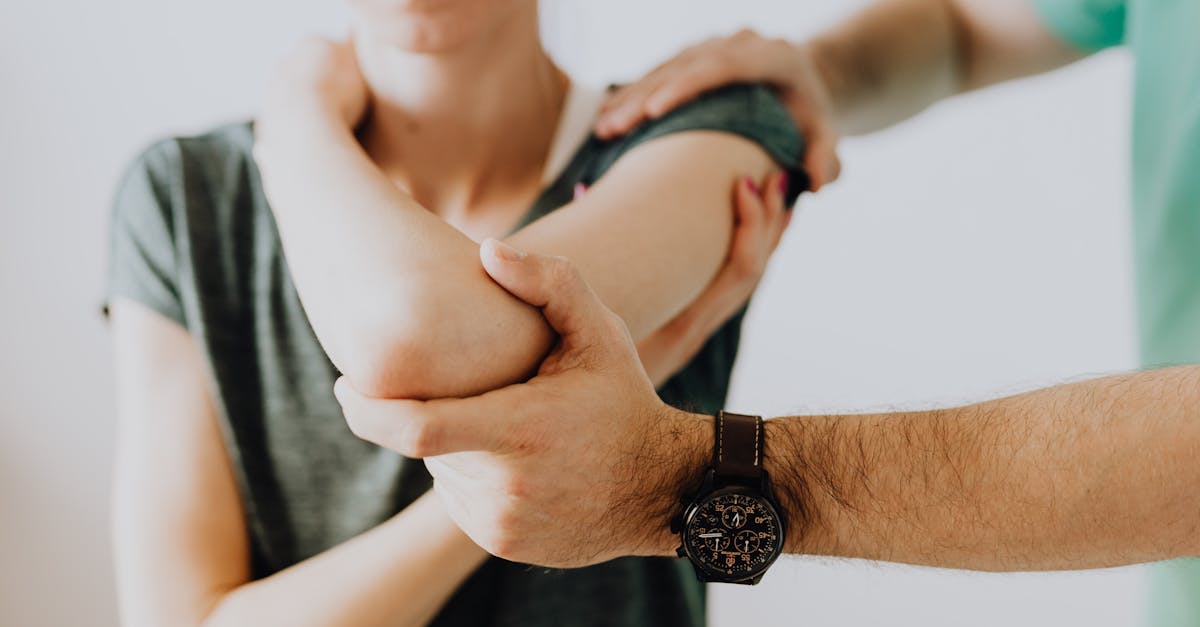
Physical therapy serves as a crucial component in the rehabilitation process for individuals with Parkinson's disease. The main objective is to enhance mobility and functionality while also addressing specific motor impairments. Tailored exercise programmes focus on improving strength, flexibility, and balance, which are essential for daily activities. Physical therapists employ techniques that not only aim to alleviate symptoms but also promote independence and confidence in patients.
In addition to improving physical capabilities, therapy sessions often incorporate activities that stimulate neuroplasticity. Engaging in repetitive and focused exercises can help to rewire neural pathways, fostering improvements in coordination and movement. Such interventions are designed to challenge the individual while remaining adaptable to their evolving needs. This dynamic approach ensures that rehabilitation remains effective, allowing individuals to progress at their own pace.
Specific Exercises to Promote Neuroplasticity
Incorporating specific exercises into rehabilitation programmes can effectively harness the brain's capacity for neuroplasticity. Activities that include repetitive movements, balance training, and tasks that require both cognitive and physical involvement are instrumental in promoting neural connections. For instance, tasks such as walking on uneven surfaces or performing dual-task exercises can enhance both motor performance and brain adaptability. Engaging in activities that challenge the individual, such as obstacle courses or tai chi, not only improves physical capability but also stimulates mental processes, thereby encouraging the brain to forge new pathways.
Additionally, strength training has shown promising outcomes in enhancing neuroplasticity. Resistance exercises can help strengthen muscles while simultaneously affecting brain health. Furthermore, training sessions designed to incorporate rhythm or musical elements may stimulate motor areas in the brain, thereby fostering a more profound connection between physical movement and cognitive engagement. These specialised exercises play a crucial role in recovery, enabling individuals to regain independence and improve their quality of life through targeted activities that encourage brain adaptability.
Psychological Aspects of Rehabilitation
Psychological well-being plays a crucial role in the rehabilitation process for individuals with Parkinson's disease. Emotional challenges can often accompany the physical symptoms, leading to increased feelings of frustration, anxiety, and depression. A supportive environment and encouraging relationships can significantly improve a patient's outlook and motivation in their journey. It is essential to incorporate psychological strategies alongside physical rehabilitation to foster resilience and enhance overall quality of life.
Mental health interventions, such as counselling or cognitive-behavioural therapy, can be beneficial in addressing these emotional hurdles. Tools that promote mindfulness and stress reduction may also assist in managing the psychological impact of the disease. By recognising and addressing the mental health aspects of rehabilitation, healthcare providers can create a more holistic approach that acknowledges the interconnectedness of mind and body, ultimately facilitating a more effective recovery process.
Addressing Mental Health alongside Physical Recovery
Mental health issues often accompany the physical challenges posed by Parkinson's disease. Depression and anxiety can significantly impact a patient's motivation and overall well-being. Furthermore, emotional distress can hinder engagement with rehabilitation programs. Therefore, recognising and addressing these mental health concerns is essential for holistic recovery. Integrating psychological support alongside physical therapy can foster a more conducive environment for rehabilitation.
Therapists and healthcare practitioners should adopt a multidisciplinary approach to ensure that both physical and mental aspects of recovery are addressed. This may involve regular psychological evaluations, access to counselling services, and group therapy sessions. Encouraging open communication about emotional challenges can lead to enhanced coping strategies and better outcomes in physical rehabilitation. Implementing these supportive measures helps create a comprehensive rehabilitation plan that acknowledges the intertwined nature of mental and physical health in this patient population.
The Impact of Cognitive Training
Cognitive training holds significant potential for individuals undergoing rehabilitation for Parkinson's disease. Engaging in tailored cognitive exercises can enhance mental flexibility and executive function. These activities, designed to challenge thought processes, may lead to improvements in attention and memory. The stimulation of the brain through such exercises encourages the formation of new neural connections, fostering neuroplasticity. As a result, individuals can experience a strengthened capacity to manage their symptoms and enhance their overall quality of life.
A noteworthy aspect of cognitive training is its impact on motor skills. Research indicates that improvements in cognitive function can lead to better coordination and movement control. Activities such as dual-task training, where cognitive and physical tasks are performed simultaneously, can improve both cognitive and motor performance. This integrated approach not only supports physical recovery but also addresses the cognitive challenges faced by many individuals living with Parkinson's. By strengthening the connection between brain and body, cognitive training offers a holistic pathway towards more effective rehabilitation outcomes.
Improving Cognitive Function and Motor Skills
Cognitive training can significantly enhance both mental agility and physical coordination in individuals undergoing rehabilitation for Parkinson's disease. Techniques such as computer-based cognitive tasks, memory exercises, and engaging cognitive games stimulate the brain, promoting pathways that may have weakened due to neurodegeneration. These activities help to strengthen connections between different brain regions, which is essential for significantly improving skills and functional tasks.
Additionally, incorporating cognitive training alongside physical exercise can yield notable benefits for motor skills. As individuals work on challenging movements while simultaneously engaging cognitive processes, they harness the power of neuroplasticity. Tasks that require divided attention, like dual-task walking, not only improve balance and mobility but also refine cognitive function, creating a synergistic effect on overall rehabilitation outcomes.
FAQS
What is neuroplasticity?
Neuroplasticity is the brain's ability to reorganise itself by forming new neural connections throughout life. It plays a crucial role in recovery and rehabilitation, particularly in conditions like Parkinson's disease.
How does physical therapy aid in Parkinson's rehabilitation?
Physical therapy helps improve mobility, strength, and flexibility in individuals with Parkinson's disease. It also encourages neuroplasticity by challenging the brain and body to adapt to new movements and exercises.
Can specific exercises really promote neuroplasticity in Parkinson's patients?
Yes, certain exercises, particularly those that focus on coordination, balance, and aerobic activity, can promote neuroplasticity. They encourage the brain to create new pathways and improve motor skills.
Why are psychological aspects considered important in rehabilitation for Parkinson's disease?
Psychological aspects are vital because mental health significantly impacts physical recovery. Addressing anxiety, depression, and cognitive challenges can enhance overall rehabilitation outcomes.
How does cognitive training improve recovery in Parkinson's rehabilitation?
Cognitive training can enhance cognitive function and motor skills by stimulating the brain, promoting neuroplastic changes, and helping individuals develop better strategies for managing their symptoms.
Related Links
Tailoring Exercise Regimens for Individuals with Parkinson’s DiseaseInnovative Approaches in Parkinson’s Disease Management through Physiotherapy
Mindfulness and Relaxation Techniques in Parkinson’s Disease Management
Utilizing Aquatic Therapy for Patients with Parkinson’s
Physiotherapy Strategies for Reducing Parkinson’s Symptoms