The Efficacy of Mobilisation Techniques in Musculoskeletal Rehabilitation
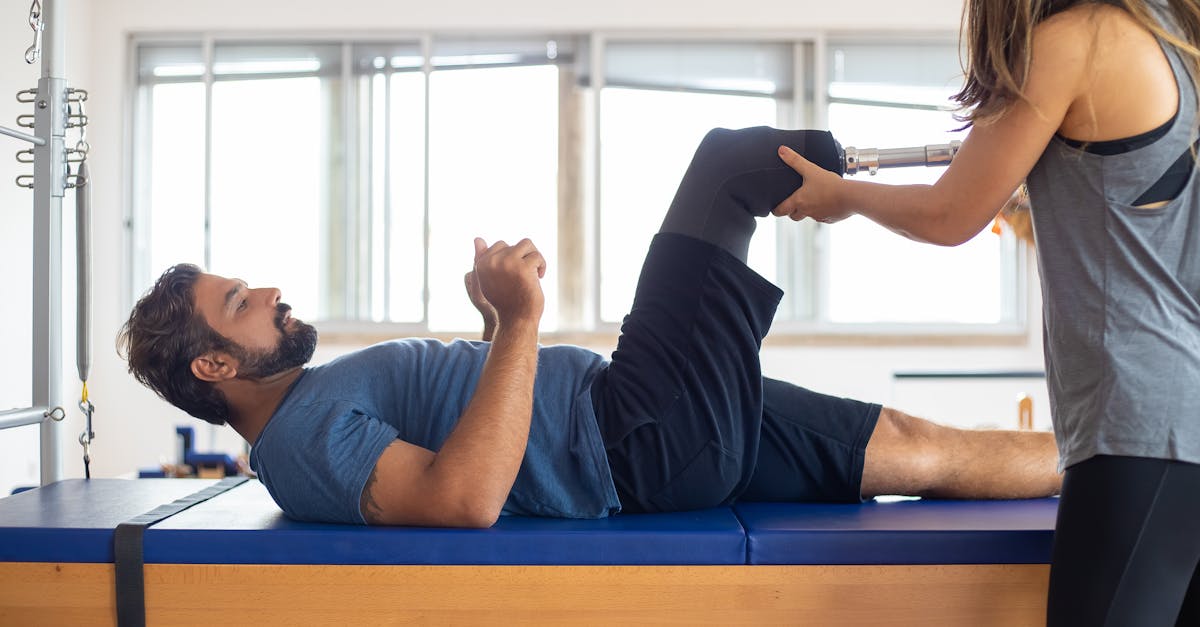
Clinical Applications of Mobilisation
Mobilisation techniques are widely employed in various clinical settings to address musculoskeletal issues. These techniques can increase joint mobility, reduce pain, and improve overall function. Practitioners often utilise manual mobilisation to help patients recover from injuries, post-surgical limitations, or chronic pain conditions. Techniques are adapted to individual needs, allowing for tailored treatment plans that can enhance patient outcomes.
In addition to addressing specific conditions, mobilisation is also used as a preventive measure. Athletes and physically active individuals benefit from regular mobilisations to maintain performance and prevent injury. The techniques can enhance flexibility and promote better alignment, which contributes to overall musculoskeletal health. Integrating mobilisation into rehabilitation protocols can significantly enhance the effectiveness of comprehensive treatment plans.
Common Conditions Treated
Mobilisation techniques are often utilised in managing a wide array of musculoskeletal conditions. These methods can effectively address joint stiffness, muscle tension, and pain associated with various ailments. Conditions such as osteoarthritis, lower back pain, and sports injuries significantly benefit from targeted mobilisation techniques. Patients suffering from conditions like tendinopathy or post-operative rehabilitation also find relief through these interventions, as mobilising affected tissues can enhance circulation and promote healing.
In addition to chronic conditions, acute injuries may respond well to mobilisation techniques. For instance, following an ankle sprain, gentle mobilisations can facilitate recovery by improving range of motion and minimising swelling. Likewise, individuals experiencing tension headaches linked to neck stiffness may find mobilisation a valuable adjunct in their treatment plan. Recognising the diverse conditions that mobilisation can address aids practitioners in tailoring rehabilitation approaches to meet each patient's unique needs.
Comparing Mobilisation with Other Techniques
Mobilisation techniques are often compared to other therapeutic strategies, particularly physiotherapy. While both approaches aim to promote movement and alleviate pain, they differ in their methods and theoretical foundations. Mobilisation focuses on specific joint and soft tissue movements to enhance mobility, whereas physiotherapy generally employs a broader range of interventions, including exercise, electrotherapy, and manual therapy. This distinction plays a significant role in determining which form of treatment is most appropriate for individual patients based on their specific conditions and rehabilitation needs.
In addition, the effectiveness of mobilisations relative to other techniques varies based on the condition being treated. Research suggests that while mobilisations can provide immediate pain relief and improved function, physiotherapy might offer more comprehensive benefits through a combination of modalities. Patients with chronic musculoskeletal issues may find that a multi-faceted approach yields better long-term outcomes than relying solely on mobilisations. Understanding these differences is crucial for clinicians when designing rehabilitation programmes tailored to the unique circumstances of their patients.
Mobilisation vs Physiotherapy
Mobilisation techniques focus on the passive movement of joints and soft tissues to enhance mobility and reduce pain. This approach allows clinicians to target specific areas of restriction, which can facilitate enhanced joint function and alleviate discomfort. Many practitioners advocate for its use in conjunction with other therapeutic modalities, recognising that each technique has unique benefits tailored to individual patient needs.
Physiotherapy encompasses a broader range of interventions, including exercise prescription, education, and various manual therapies. It aims to restore function and improve quality of life through an active involvement from patients. While mobilisation can be a significant component within a physiotherapy plan, the latter takes a more holistic view, incorporating both passive and active strategies to promote recovery. The integration of both methodologies often yields the most favourable outcomes in musculoskeletal rehabilitation.
Patient Experiences and Outcomes
Patient experiences in musculoskeletal rehabilitation often highlight the significant impact of mobilisation techniques. Many report reduced pain levels and improved mobility following tailored mobilisation sessions. These techniques allow for a more hands-on approach, which some patients find comforting and effective. The immediacy of relief often reported can encourage patients to remain engaged in their rehabilitation process.
Outcomes from various testimonials illustrate a range of successes across different conditions. Individuals with chronic pain have shared their journeys, noting that regular sessions contributed to a gradual return to normal activities. Case studies reveal how targeted mobilisation not only alleviated discomfort but also aided in restoring function, leading to enhanced quality of life. These positive experiences reinforce the value of incorporating mobilisation techniques into broader treatment plans.
Testimonials and Case Studies
A recent case study involving a 45-year-old male presented significant insight into the impact of mobilization techniques on shoulder pain and functionality. This patient had experienced persistent discomfort for over six months, attributed to a rotator cuff injury. After eight weeks of targeted mobilization sessions, he reported a marked decrease in pain levels and improved range of motion. His ability to participate in daily activities increased substantially, leading to an enhanced quality of life. Feedback indicated that he felt more empowered and engaged in his recovery process.
Another compelling testimonial came from a young athlete who suffered a knee injury during a football match. Traditional physiotherapy alone yielded limited results, prompting the incorporation of mobilization techniques into his rehabilitation programme. Following a series of sessions, he noticed considerable improvements in both functionality and pain management. His journey back to sport was quicker than anticipated, and he lauded the role of mobilization in his recovery. Testimonials like these highlight the versatility and effectiveness of mobilization in addressing various musculoskeletal issues.
FAQS
What are mobilisation techniques in musculoskeletal rehabilitation?
Mobilisation techniques are manual therapy methods used to restore movement and function in joints and soft tissues. They involve the gentle movement of a joint or muscle to alleviate pain, improve range of motion, and enhance overall mobility.
What common conditions can be treated with mobilisation techniques?
Mobilisation techniques are effective for a variety of conditions, including arthritis, back pain, sports injuries, tendonitis, and post-surgical rehabilitation. They can help reduce pain and stiffness while promoting healing.
How do mobilisation techniques compare to traditional physiotherapy?
While both mobilisation techniques and traditional physiotherapy aim to improve mobility and reduce pain, mobilisation focuses specifically on manual therapy and joint movement. Physiotherapy may incorporate exercises, modalities, and education in addition to manual techniques.
Are there specific patient experiences or testimonials that highlight the benefits of mobilisation techniques?
Yes, many patients report significant improvement in pain relief and mobility following mobilisation treatment. Testimonials often highlight faster recovery times and enhanced quality of life, particularly for those with chronic musculoskeletal conditions.
How long does it typically take to see results from mobilisation techniques?
The time frame for experiencing results can vary based on the individual's condition and response to treatment. Some patients may notice improvements after just a few sessions, while others may require ongoing treatment over several weeks for optimal results.
Related Links
Understanding Myofascial Release for Pain ManagementExploring the Benefits of Craniosacral Therapy in Musculoskeletal Conditions
Deep Tissue Massage Techniques: A Comprehensive Guide
Integrating Strain-Counterstrain Techniques in Physiotherapy Practice
The Impact of Osteopathic Manipulative Treatment on Muscle Recovery