Psychological Support in Stroke Rehabilitation Processes
The Connection Between Physical and Mental Health
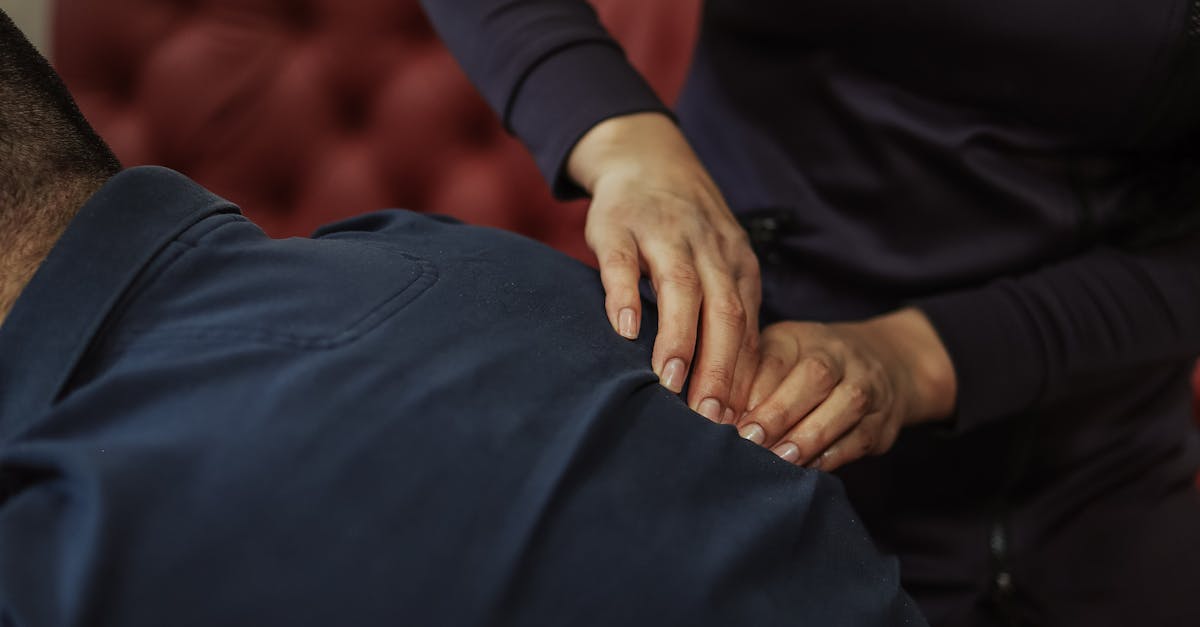
Physical and mental health are intricately linked, particularly in the context of stroke rehabilitation. A stroke can disrupt not only the body's functioning but also emotional well-being. Survivors may experience a range of psychological challenges like anxiety, depression, and changes in self-esteem. These feelings can, in turn, hinder physical recovery. Conversely, a lack of physical activity can exacerbate mental health issues, creating a feedback loop that can be difficult to break.
Addressing both aspects during rehabilitation leads to better outcomes. Effective stroke recovery programmes must incorporate strategies that acknowledge this interplay. Therapeutic interventions, including physical exercise and psychological support, can greatly enhance recovery processes. This integrated approach fosters resilience, enabling survivors to rebuild their physical capability while simultaneously addressing emotional challenges. Encouraging an understanding of this connection among healthcare providers, patients, and families is vital for promoting comprehensive recovery.
Holistic Approaches to Stroke Rehabilitation
Integrating emotional and psychological care into rehabilitation can enhance recovery outcomes for stroke survivors. A holistic approach recognises the interconnectedness of mind, body, and spirit. Activities such as mindfulness, meditation, and art therapy can help individuals process their experiences and reduce stress. These practices not only promote emotional well-being but also support cognitive function, which is vital for rehabilitation.
In addition to psychological support, engaging in physical therapies alongside complementary therapies can create a balanced recovery experience. Techniques like yoga and tai chi may aid in improving physical strength and flexibility while fostering mental resilience. By addressing both physical and emotional needs, stroke rehabilitation can become a more comprehensive process that empowers survivors to regain their independence and rebuild their lives.
Building a Support Network for Stroke Survivors
Establishing a robust support network can significantly benefit stroke survivors during their rehabilitation journey. Family members, friends, and caregivers often play a critical role in providing emotional support, encouragement, and practical assistance. These individuals can help create a positive environment that fosters recovery. Involving close relatives in rehabilitation strategies can also enhance motivation and adherence to physical exercise regimes. It is important for survivors to communicate freely with their support network, discussing needs and feelings to ensure they receive appropriate help.
Seeking resources beyond personal connections can further bolster the recovery process. Local community groups and organisations dedicated to stroke support offer valuable information and foster social interaction. Rehabilitation programmes, peer support groups, and counselling services provide environments where survivors can share experiences and coping strategies. Networking with others facing similar challenges can reduce feelings of isolation and increase resilience. Engaging with these resources contributes not only to emotional wellbeing but also to a more comprehensive recovery process.
Connecting with Community Resources
Community resources play a critical role in the rehabilitation journey for stroke survivors. Local organisations often provide essential services such as therapy sessions, support groups, and educational workshops tailored to the specific needs of individuals recovering from a stroke. Engaging with these resources can enhance a survivor's recovery by fostering connections with others who share similar experiences, thereby reducing feelings of isolation and loneliness. Many communities offer specialised programmes that focus on both physical and emotional well-being, facilitating a more comprehensive recovery process.
Accessing available community resources can also empower stroke survivors and their families to take an active role in their rehabilitation. Information and referrals can often be provided by healthcare professionals, helping individuals navigate the sometimes-overwhelming landscape of support services. Additionally, local charities and non-profit organisations frequently host events that encourage social interaction and promote mental wellness. By combining these community support systems with traditional rehabilitation methods, stroke survivors can build a robust network that nurtures their physical recovery while also addressing their psychological needs.
Strategies for Managing Anxiety and Depression
Anxiety and depression can significantly hinder recovery after a stroke. Engaging in regular physical activity is a powerful strategy that has been shown to reduce symptoms of anxiety and improve overall mood. Activities like walking, swimming or gentle yoga can enhance physical fitness and provide a sense of accomplishment. Incorporating mindfulness and relaxation techniques can also be beneficial, helping stroke survivors cultivate a sense of calm and presence in their daily lives.
Establishing a consistent routine can further aid in managing emotional well-being. Daily schedules that include time for self-care, social interactions, and enjoyable activities can provide structure and predictability. Participation in support groups allows individuals to connect with others who understand their experiences. These connections can foster a sense of community and reduce feelings of isolation, contributing to an improved mental health landscape during the rehabilitation journey.
Practical Tools for Stroke Survivors
Stroke survivors often face numerous challenges during their recovery journey. Various tools can facilitate their rehabilitation while promoting emotional well-being. Simple items like journals allow individuals to express their feelings and track their progress. Engaging in creative activities, such as painting or playing music, can serve as an excellent outlet for emotions. Additionally, using apps designed for cognitive exercises can help with memory and focus, offering a dual benefit of mental stimulation and distraction from anxiety.
Support from loved ones plays a pivotal role in the recovery process. Group therapy sessions can provide a safe space for sharing experiences and bonding with others facing similar struggles. Online platforms and forums also serve as valuable resources for connecting with fellow survivors. These connections not only alleviate feelings of isolation but also provide practical tips and encouragement. The combination of personal engagement with practical tools can significantly enhance the rehabilitation experience for stroke survivors.
FAQS
Why is psychological support important in stroke rehabilitation?
Psychological support is crucial in stroke rehabilitation as it addresses the emotional and mental health challenges that survivors may face, such as anxiety, depression, and cognitive impairment. This support can improve overall recovery outcomes and enhance the quality of life.
What are holistic approaches to stroke rehabilitation?
Holistic approaches to stroke rehabilitation focus on treating the whole person rather than just the physical symptoms. This includes integrating mental, emotional, and social support into the rehabilitation process, allowing for a more comprehensive recovery journey.
How can stroke survivors build a support network?
Stroke survivors can build a support network by connecting with family and friends, joining support groups, and engaging with community resources. These connections provide emotional support, practical assistance, and a sense of belonging during the recovery process.
What community resources are available for stroke survivors?
Community resources for stroke survivors may include local rehabilitation centres, support groups, mental health services, and educational programs. Many organisations also offer resources tailored to help survivors and their families navigate the rehabilitation process.
What strategies can help manage anxiety and depression in stroke survivors?
Strategies to manage anxiety and depression may include engaging in regular physical activity, practising mindfulness and relaxation techniques, seeking professional counselling, and participating in social activities. These approaches can help stroke survivors cope with emotional challenges and promote mental well-being.
Related Links
The Role of Family in Stroke RecoveryEnhancing Mobility Post-Stroke: Key Therapies
Occupational Therapy in Conjunction with Stroke Physiotherapy
Evidence-Based Techniques for Stroke Survivors' Rehabilitation
The Importance of Early Intervention in Stroke Rehabilitation