Occupational Therapy in Conjunction with Stroke Physiotherapy
The Benefits of Integrating Therapies
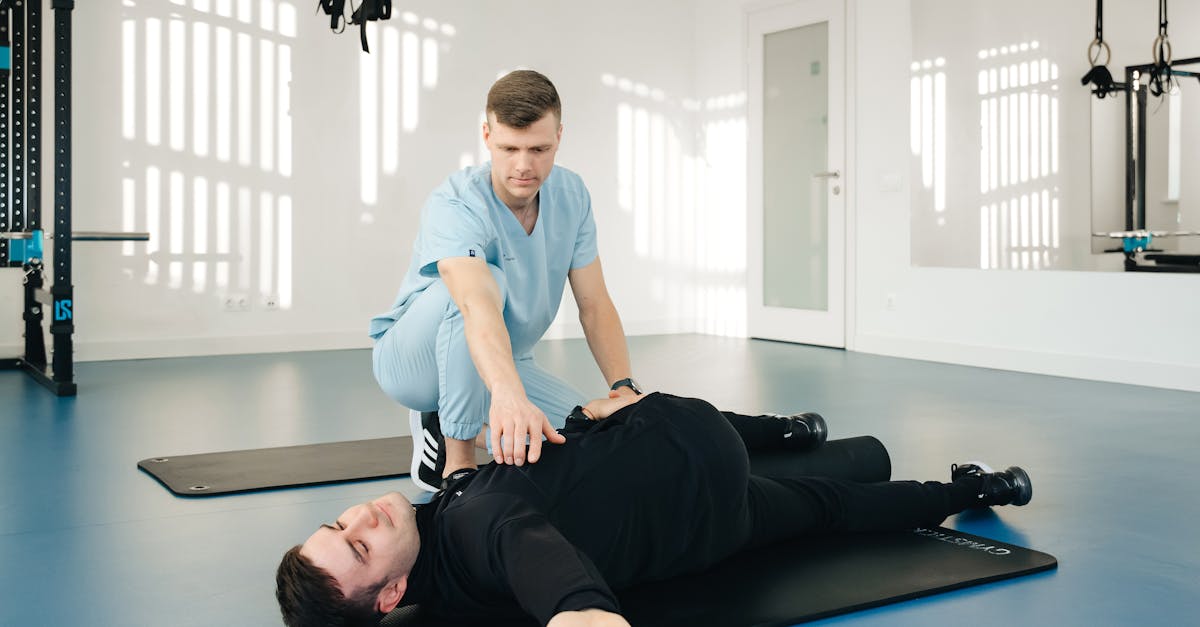
Combining occupational therapy with stroke physiotherapy offers numerous advantages for recovery. Each discipline brings unique techniques that address the diverse challenges faced by stroke survivors. Occupational therapy focuses on enhancing daily living skills, while physiotherapy aims to improve mobility and physical function. Together, they create a comprehensive approach that addresses both physical and functional limitations, promoting more effective rehabilitation.
Patients benefit significantly from this integrated approach as it leads to improved overall outcomes. Research indicates that collaboration between therapists can result in more personalised care, with therapy sessions designed to meet specific individual needs. The synergy between the two disciplines not only accelerates the rehabilitation process but also fosters a sense of empowerment in patients. This holistic method encourages active participation and enhances motivation, further contributing to a positive recovery experience.
Improved Patient Outcomes
The integration of occupational therapy and stroke physiotherapy results in a more holistic approach to recovery. Patients benefit from a comprehensive strategy that addresses both physical capabilities and the ability to perform daily activities. This dual focus not only aids in regaining motor functions but also enhances independence in personal care and management of daily tasks. The collaboration between the two disciplines facilitates a more rounded understanding of a patient’s needs, leading to more effective interventions.
Additionally, employing a multidisciplinary approach ensures that therapists can share insights and strategies, further enriching the rehabilitation process. Patients often experience a faster recovery trajectory when both therapies are synchronised, as they receive consistent reinforcement of skills and strategies across different contexts. The cumulative effect of these therapies can significantly boost motivation and improve confidence, paving the way for a more successful overall rehabilitation experience.
Assessing Patient Needs
Effective assessment of individual patient needs is essential in delivering optimal rehabilitation. Each stroke survivor presents a unique set of challenges, from physical limitations to emotional resilience. A comprehensive evaluation often includes engaging with the patient, family members, and other healthcare professionals. This collaborative approach helps to gather crucial information regarding the patient’s daily routines, preferences, and personal goals. Understanding these elements lays the groundwork for a more targeted therapy strategy.
Identifying the specific skills that need enhancement is another critical aspect of the assessment process. Occupational therapists and physiotherapists utilise various assessment tools and observational techniques to determine the patient's functional abilities. This encompasses not just physical capabilities but also cognitive and perceptual skills. By analysing these multiple dimensions, professionals can tailor rehabilitation plans that address the patient's individual needs, thereby increasing the effectiveness of the therapy.
Tailoring Treatment Plans
Individualised treatment plans are crucial in ensuring that each patient receives the most effective care. Occupational therapists and physiotherapists often collaborate to assess the specific needs of stroke survivors. They consider factors such as the severity of the stroke, existing physical capabilities, and personal goals. This collaborative approach allows for adjustments to be made that cater to the unique challenges faced by each patient, enhancing the rehabilitation experience.
Incorporating both occupational therapy and physiotherapy into a tailored plan addresses not just physical recovery but also the restoration of daily functional skills. Activities of daily living, cognitive functions, and emotional well-being are key components that need attention. Creating a comprehensive strategy focuses on the patient as a whole, ensuring that all aspects of their recovery journey are supported. Regular evaluations of progress enable practitioners to modify interventions effectively, aligning with the evolving needs of the patient.
Measuring Progress in Rehabilitation
Effective measurement of progress in rehabilitation involves a combination of subjective and objective assessments. Standardised assessment tools can provide valuable insights into a patient’s physical capabilities and emotional well-being. These tools help practitioners track improvements over time, facilitating adjustments to treatment protocols as necessary. Regular evaluations also give patients a clearer understanding of their recovery journey, fostering motivation and engagement in their rehabilitation process.
Setting realistic goals is essential in measuring progress. Collaborative goal-setting between therapists and patients ensures that objectives are both attainable and meaningful. Short-term goals can encourage daily achievements, while long-term goals provide a comprehensive framework for overall recovery. The iterative nature of goal-setting allows for flexibility, enabling adaptations based on the patient’s changing needs and circumstances, which is crucial for optimising rehabilitation outcomes.
Setting Realistic Goals
Establishing achievable objectives is crucial in a rehabilitation setting. Patients recovering from a stroke often face physical and cognitive challenges that can vary widely in severity. Therapists must assess the individual capabilities and limitations of each patient to determine what goals are realistic. These objectives should not only be attainable but also measurable, providing a clear benchmark for progress. An effective goal-setting process encourages patient involvement, allowing them to express their own aspirations and motivations.
Incorporating short-term and long-term goals can enhance patient engagement in their recovery journey. Short-term goals create opportunities for quick wins, giving patients a sense of accomplishment and motivation. Long-term goals should align with the patient’s overall rehabilitation objectives, focusing on functional independence in daily activities. Regular reviews of these goals, alongside ongoing assessments, ensure that any adjustments reflect the patient’s progress and current needs within the therapy framework. This dynamic approach fosters a supportive environment where patients feel empowered to achieve their best outcomes.
FAQS
What is the role of occupational therapy in stroke rehabilitation?
Occupational therapy helps stroke patients regain their independence by focusing on daily activities and improving their ability to perform tasks, such as dressing, cooking, and personal care.
How does integrating occupational therapy with physiotherapy benefit stroke patients?
Integrating these therapies can lead to improved patient outcomes by addressing both physical and cognitive challenges, enhancing overall functionality and quality of life.
How are treatment plans tailored to individual stroke patients?
Treatment plans are customised based on a comprehensive assessment of the patient's specific needs, abilities, and personal goals, ensuring that both occupational and physiotherapy interventions are aligned.
What methods are used to measure progress in rehabilitation?
Progress is typically measured through regular assessments that evaluate improvements in physical abilities, cognitive functions, and the ability to perform everyday activities, alongside feedback from the patient.
How can family members support stroke patients during rehabilitation?
Family members can support patients by encouraging participation in therapy, providing emotional support, and assisting with daily tasks to reinforce skills learned during both occupational and physiotherapy sessions.
Related Links
The Role of Family in Stroke RecoveryEvidence-Based Techniques for Stroke Survivors' Rehabilitation
Psychological Support in Stroke Rehabilitation Processes
The Importance of Early Intervention in Stroke Rehabilitation
Personalised Rehabilitation Plans for Stroke Patients