The Importance of Early Intervention in Stroke Rehabilitation
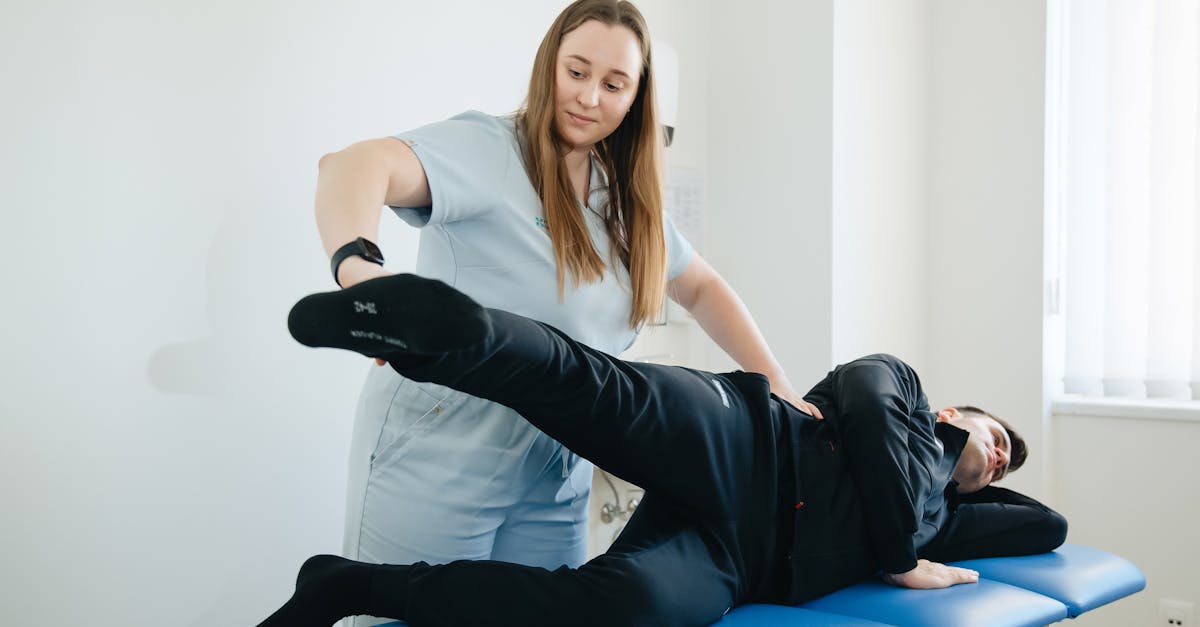
Family Involvement in Recovery
The role of family members in stroke rehabilitation is crucial for the overall well-being of the patient. A supportive environment can significantly influence recovery outcomes. Family members often act as caregivers, advocates, and sources of motivation. Their involvement helps create a structured routine for the individual, facilitating the integration of therapeutic exercises into daily life. Emotional support from loved ones can also alleviate feelings of isolation and frustration that may accompany the recovery journey.
Communication between healthcare providers and family members plays a vital role in optimising rehabilitation strategies. When families understand the specific needs and challenges their loved ones face, they can better assist in achieving rehabilitation goals. Educational resources and guidance from professionals can empower families to take an active part in the process, ensuring continuity of care once formal rehabilitation ends. This collaborative effort not only enhances the recovery experience but also fosters stronger familial bonds in the face of adversity.
Supporting Loved Ones Through the Process
Navigating the challenges of stroke recovery can be daunting for both patients and their families. Support from loved ones plays a crucial role in the rehabilitation process. It is essential for family members to educate themselves about stroke and its impacts, as this understanding fosters empathy and patience. Being emotionally present and encouraging can significantly boost a person's morale, which is vital for healing. Every small achievement should be celebrated to maintain a positive atmosphere, reinforcing the belief that progress is possible.
Effective communication also stands at the core of supporting someone recovering from a stroke. Families should strive to engage in open discussions regarding the patient’s needs, preferences, and feelings during this challenging time. Listening attentively can help loved ones feel valued and understood. Involvement in therapy sessions can offer families insights into coping strategies, facilitate better transitions to independence, and strengthen interpersonal bonds. Solidarity and proactive participation can greatly enhance a stroke survivor’s journey towards recovery.
Technology in Stroke Rehabilitation
The integration of technology in stroke rehabilitation has revolutionised the way patients receive treatment. Advanced tools, such as robotics and virtual reality, provide engaging and effective means for enhancing motor functions. These innovations allow for tailored therapy, adapting to individual needs and progress. Moreover, telehealth platforms enable healthcare professionals to monitor patients remotely, ensuring consistent support throughout recovery.
Wearable devices also play a crucial role in this evolving landscape, allowing for real-time tracking of patients' movements and health metrics. Data gathered from these devices helps practitioners make informed adjustments to rehabilitation plans. Furthermore, mobile applications offer patients resources to maintain motivation and accountability in their recovery journey. This technological integration not only optimises rehabilitation outcomes but also enhances overall patient experiences in a supportive and interactive manner.
Innovative Tools and Techniques
In recent years, technological advancements have revolutionised the way stroke rehabilitation is approached. Robotics and virtual reality have emerged as innovative tools that facilitate engaging therapy sessions for patients. These interactive technologies not only motivate individuals to participate actively in their recovery but also help in tracking progress accurately. By simulating real-world scenarios, patients can practice essential motor skills in a safe environment, enhancing their confidence as they relearn daily tasks.
Wearable devices also play a significant role in stroke rehabilitation. Equipped with sensors, these gadgets monitor movement patterns and provide real-time feedback, allowing both patients and therapists to adjust rehabilitation strategies quickly. Mobile applications further enhance the accessibility of rehabilitation resources, making exercises and educational materials readily available at home. This integration of technology streamlines the recovery process, ensuring that patients receive continuous support while maintaining their independence.
Overcoming Common Challenges
Many individuals and families face significant barriers that can impede early intervention in stroke rehabilitation. These challenges may include a lack of awareness about the importance of prompt treatment and insufficient access to specialised healthcare resources. Additionally, some patients may experience mobility issues or communication difficulties that hinder their ability to seek help promptly. Education about stroke symptoms and the urgency of medical attention is crucial in overcoming these obstacles, as it can empower patients and families to act swiftly.
Furthermore, emotional and psychological factors often play a role in the recovery journey. Patients may feel overwhelmed or anxious about their condition, leading to a reluctance to engage in rehabilitation efforts. Support from family members can be invaluable in fostering a positive attitude towards recovery and encouraging participation in therapy. Creating an environment that promotes open communication and emotional resilience can help individuals combat these challenges and remain committed to their rehabilitation goals.
Addressing Barriers to Early Intervention
Many individuals face various barriers that can delay early intervention following a stroke. Geographic location plays a significant role, as hospitals with specialised stroke units may not be readily accessible to all. Additionally, limited awareness of stroke symptoms can lead to delays in seeking medical attention. Family members may also struggle to navigate the healthcare system, often feeling overwhelmed by the process of securing timely rehabilitation services.
Financial constraints can further complicate access to necessary therapies. For some, the cost of rehabilitation equipment or sessions with specialised therapists may be prohibitive. Health insurance coverage varies widely, with many policies offering limited support for rehabilitation services. Addressing these challenges requires a coordinated effort from healthcare providers, policymakers, and community organisations to ensure that individuals receive urgent and effective care in the aftermath of a stroke.
FAQS
What is early intervention in stroke rehabilitation?
Early intervention in stroke rehabilitation refers to the prompt initiation of therapeutic activities and support following a stroke, aimed at maximising recovery potential and minimising long-term disabilities.
How can family involvement impact stroke recovery?
Family involvement can provide emotional support, encouragement, and practical assistance, which can enhance the rehabilitation process and improve outcomes for the stroke survivor.
What role does technology play in stroke rehabilitation?
Technology plays a critical role by offering innovative tools and techniques that can facilitate rehabilitation, such as virtual reality, robotic therapy, and telehealth services, making recovery more accessible and effective.
What are some common challenges faced during stroke rehabilitation?
Common challenges include physical limitations, emotional distress, communication difficulties, and logistical barriers such as transportation and access to healthcare services.
How can barriers to early intervention be addressed?
Barriers can be addressed through education, raising awareness about stroke symptoms, improving access to healthcare resources, and creating supportive environments that encourage timely intervention and rehabilitation.
Related Links
Evidence-Based Techniques for Stroke Survivors' RehabilitationPersonalised Rehabilitation Plans for Stroke Patients
Psychological Support in Stroke Rehabilitation Processes
The Role of Family in Stroke Recovery
Occupational Therapy in Conjunction with Stroke Physiotherapy