Personalised Rehabilitation Plans for Stroke Patients
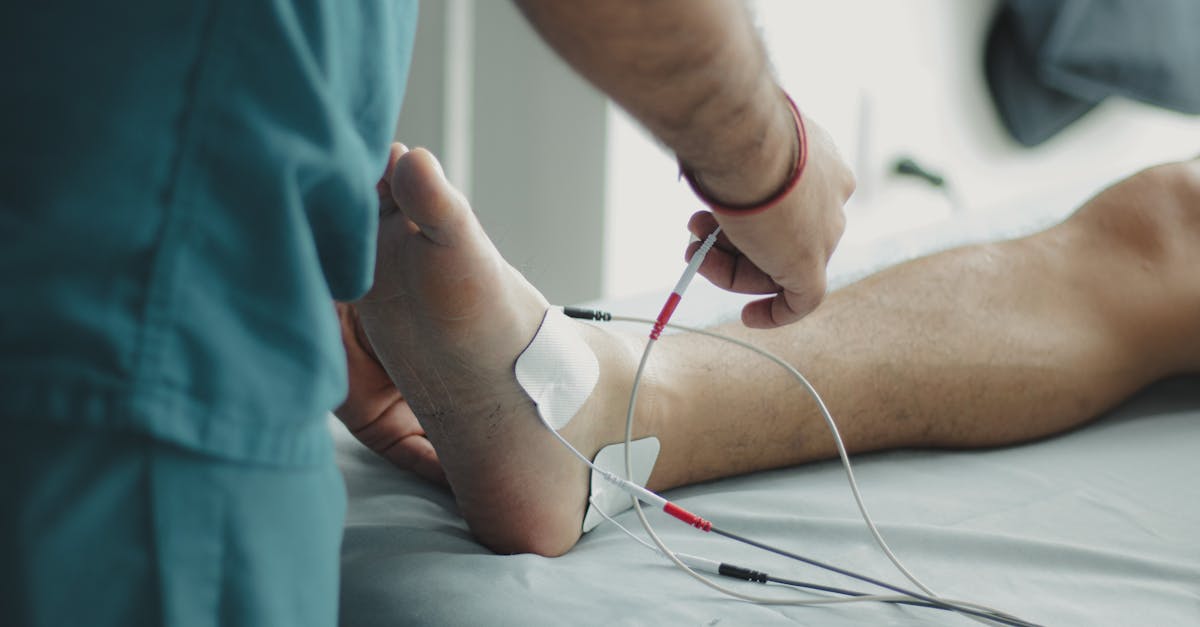
Involving Family in the Rehabilitation Process
Family members play a crucial role in the rehabilitation journey of stroke patients. Their emotional support can significantly enhance motivation levels. By engaging family in setting goals, therapists can ensure the rehabilitation process aligns with the patient's individual needs and preferences. This involvement fosters a sense of teamwork and shared responsibility, which can be pivotal in maintaining a positive outlook throughout recovery.
Effective communication between health professionals and family members strengthens the rehabilitation framework. Informed family members can provide feedback and insights that aid therapists in tailoring approaches based on the patient's reactions and progress. Additionally, when family members understand the rehabilitation exercises and techniques, they can assist in reinforcing these practices at home. This continuity helps generate consistency that is essential for achieving improved outcomes.
Benefits of Family Support for Stroke Patients
Family support plays a crucial role in the recovery journey of stroke patients. Having loved ones involved can enhance motivation and provide emotional strength during difficult times. Encouragement from family members often leads to improved adherence to rehabilitation routines. This support fosters a sense of belonging, making patients feel valued and understood, which is essential for psychological well-being.
Additionally, family members can assist in monitoring progress and identifying any challenges faced during rehabilitation. Their familiarity with the patient's baseline functioning allows for more accurate assessments of improvements or setbacks. This active involvement not only promotes better communication between healthcare providers and families but also ensures that the rehabilitation plan remains dynamic and responsive to the patient's evolving needs.
Monitoring Progress and Adaptations
Regular monitoring of a stroke patient's progress is essential for tailoring rehabilitation plans to their evolving needs. Healthcare professionals can track improvements in mobility, speech, and daily activities through various assessment tools. Routine evaluations facilitate timely adjustments to the rehabilitation process, ensuring that patients receive the right level of support and challenge. Gathering feedback from patients about their experiences also plays a crucial role in understanding their emotional and physical comfort during rehabilitation.
Adaptations to rehabilitation plans are often necessary as patients respond differently to treatment. Changes may include modifying exercises to accommodate growing strength or introducing new techniques based on the patient's preferences. Additionally, involving multi-disciplinary teams helps in identifying potential barriers and enhancing recovery strategies. Continuous assessment fosters a proactive approach in addressing any challenges that may arise during recovery, ultimately leading to a more effective and personalised rehabilitation journey.
Adjusting Plans Based on Patient Needs
Rehabilitation plans must be fluid and responsive to the evolving needs of stroke patients. Regular assessments provide insights into the patient's progress, highlighting areas that require additional focus or adjustment. When obstacles arise, whether physical or emotional, clinicians must be prepared to modify the approach accordingly. Personalised goals should reflect the patient’s current abilities and aspirations, fostering a sense of achievement and motivation.
Moreover, patient feedback plays a crucial role in refining these plans. Direct input from the patient regarding their comfort levels, challenges, and preferences can lead to more effective strategies. Incorporating this perspective not only enhances engagement but also empowers patients to take an active role in their recovery journey. By continually aligning rehabilitation efforts with individual needs, healthcare providers can optimise outcomes and support long-term well-being.
Technology in Stroke Rehabilitation
Advancements in technology have significantly transformed the landscape of stroke rehabilitation. Digital platforms and mobile applications offer tailored exercise programs that patients can engage with at home. Virtual reality systems immerse users in interactive environments designed to enhance motor skills and cognitive function. These technologies cater to individual capabilities, making rehabilitation more engaging and effective.
Additionally, wearable devices monitor vital signs and track progress in real-time. Data collected from these devices allows healthcare professionals to identify trends and adjust rehabilitation plans accordingly. Telehealth services enable remote consultations, providing patients with access to specialists regardless of location. This combination of innovation and accessibility promotes a more personalised approach to recovery, ultimately improving outcomes for stroke survivors.
Innovative Tools and Techniques
The integration of technology into stroke rehabilitation is transforming the way patients recover. Virtual reality systems provide immersive environments for practice, allowing patients to engage in tailored exercises that enhance motor skills. Furthermore, mobile applications track progress and offer personalised feedback, fostering greater patient engagement and motivation. These tools not only cater to individual rehabilitation needs but also ensure a more interactive experience during recovery.
Wearable devices are gaining traction by allowing continuous monitoring of vital signs and physical activity. They provide real-time data to healthcare providers, enabling timely interventions when necessary. Additionally, robotic exoskeletons support movement in patients with severe mobility impairments, facilitating task-specific training. Such innovative techniques are gradually redefining rehabilitation, making recovery more efficient and customised for each patient’s unique circumstances.
FAQS
What is a personalised rehabilitation plan for stroke patients?
A personalised rehabilitation plan is a tailored programme designed specifically for each stroke patient, taking into account their individual needs, abilities, and goals to optimise recovery and improve their quality of life.
How can family involvement impact a stroke patient’s rehabilitation?
Family involvement can significantly enhance a stroke patient’s rehabilitation by providing emotional support, motivation, and encouragement, which can help improve adherence to therapy and overall outcomes.
What kind of technology is used in stroke rehabilitation?
Various innovative tools and techniques, such as virtual reality, robotics, and mobile applications, are used in stroke rehabilitation to provide engaging therapy experiences, monitor progress, and facilitate personalised exercises.
How often should rehabilitation plans be adjusted for stroke patients?
Rehabilitation plans should be regularly assessed and adjusted based on the patient's progress, usually every few weeks or as needed, to ensure the plan remains effective and aligned with their evolving needs.
What are some benefits of involving family members in the rehabilitation process?
Involving family members can lead to improved emotional support, better communication between healthcare providers and family, increased motivation for the patient, and a greater understanding of the rehabilitation process, which can enhance overall recovery.
Related Links
The Importance of Early Intervention in Stroke RehabilitationStrategies for Improving Upper Limb Function After Stroke
Psychological Support in Stroke Rehabilitation Processes
The Role of Family in Stroke Recovery
Occupational Therapy in Conjunction with Stroke Physiotherapy